
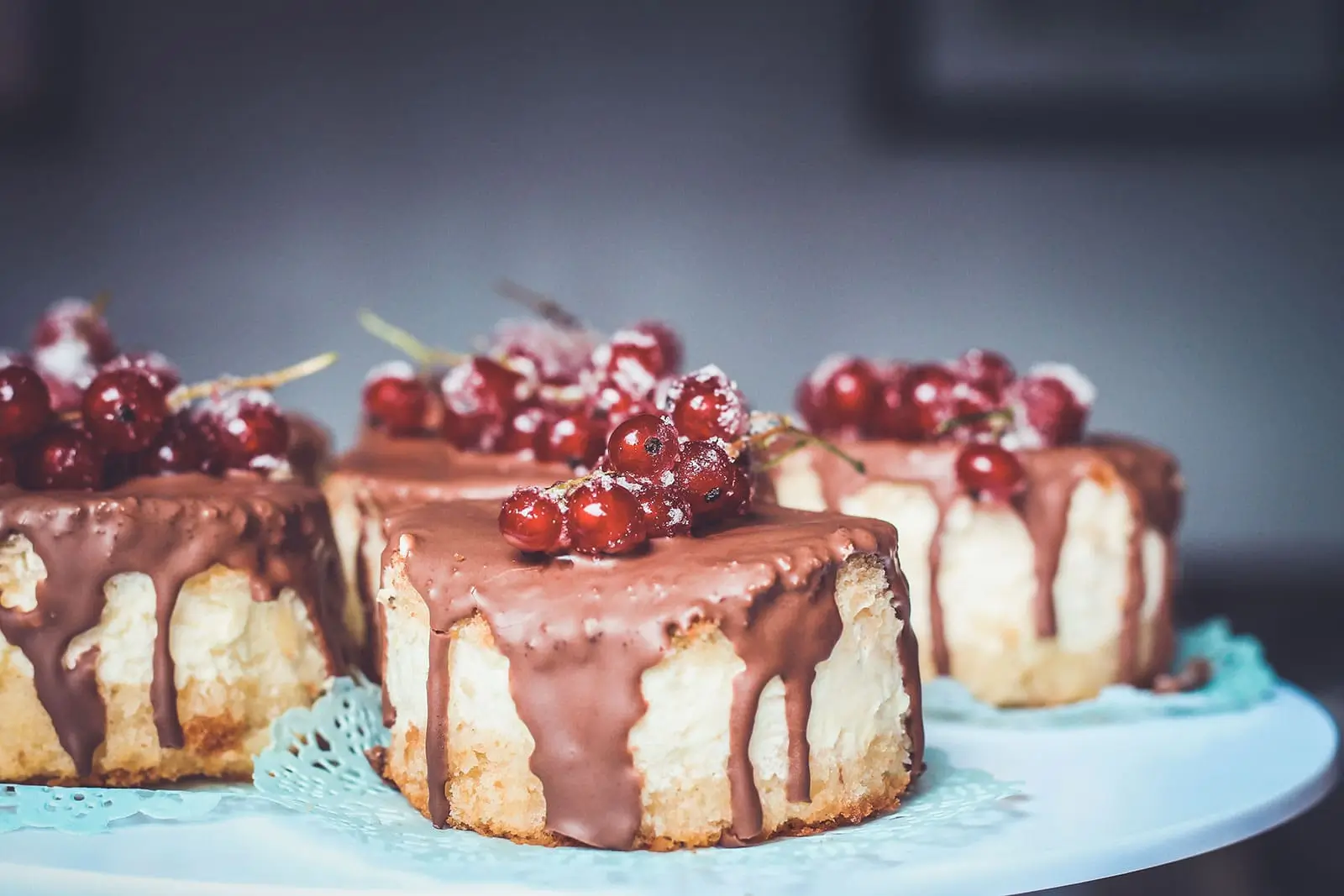
Product Overview: Kids Birthday Cakes – Fun and Colorful Ideas
Kids birthday cakes combine flavor, color, and creativity to make every celebration memorable. This product overview highlights fun, colorful ideas that appeal to children while keeping baking approachable for busy parents. You’ll find popular themes, age-specific guidance, practical sizing tips, and simple ingredient basics to help you plan a cake that fits your party. With kid-friendly flavors and easy decorating ideas, you can customize a centerpiece that tastes as good as it looks. Whether you are hosting a small family gathering or a bigger party, these ideas blend joy, safety, and simplicity for seamless celebration planning.
Popular themes for kids birthday cakes
Choosing a cake theme helps set the tone for the party, guiding decorations, favors, and activities.
These popular options combine color, imagination, and practicality for at-home bakers.
- Under the Sea adventures with mermaids, fish, and shimmering waves, using blue tones, edible sea creatures, and simple sugar decorations that look impressive without complicated piping.
- Safari jungle party with animal toppers, warm earthy colors, and dotted leaves, featuring easy fondant shapes or printed edible images for quick assembly.
- Space rocket or astronaut theme using bold reds and blues, star cutouts, and glow-in-the-dark stars to create a cosmic vibe without heavy piping.
- Princess, fairy, or clubhouse adventures with pastel palettes, princess crown toppers, and confetti sprinkles for a whimsical, photo-friendly presentation that kids will love capturing memories.
- Sports or superhero party with team colors, action-themed toppers, and edible badges, delivering high-energy visuals and simple layering that kids can assemble themselves.
These themes offer versatile decorating options and scalable budget choices. They also translate well to seasonal party favors and printable matching invites.
Age-based cake ideas (toddlers, preschoolers, tweens)
Age-based cake ideas help tailor flavors, textures, and decoration levels to children’s developmental stages, turning a simple dessert into a thoughtful party focal point. When you match the cake to the guest of honor’s age, you can optimize how guests interact with the cake, how easy it is to cut and serve, and how long the cake stays fresh in a party environment. This approach reduces guesswork and supports a smoother celebration. It also opens opportunities to incorporate familiar motifs, favorite colors, and easily recognizable shapes that photos will love.
Toddlers benefit from soft textures, bright but not overwhelming colors, and simple toppers that are easy for little hands to reach. Think two-layer rounds with gentle frosting, fruit accents, and edible toppers featuring animals or basic shapes. Keep decorations large, safe, and washable, and select flavors with mild sweetness such as vanilla, banana, or light lemon. If using fondant, apply sparingly and ensure edges are smooth to minimize biting hazards. Practical serving sizes and allergy-conscious options matter even for a small party. Offer practice bites before the party to reduce reactions to texture, and consider allergy-safe options by keeping separate dairy-free frosting on a small tray for tasting at home.
Preschoolers respond to bold colors, familiar characters, and hands-on elements that encourage participation without creating a mess. Consider a cake that reveals a color gradient when sliced, or a character-designed top with easy-to-remove pieces. Use sturdy frosting and simple piping in clean lines to maintain a neat appearance. Choose flavors kids typically enjoy, like chocolate, strawberry, or vanilla, with a soft icing that preserves texture. Plan for quick, self-serve portions and have a backup option for potential dairy or nut allergies.
Older kids and tweens often crave more detailed designs, trend-inspired themes, and interactive elements that reflect their growing interests. Potential ideas include edible photo prints, geometric patterns, or a cake shaped like a skateboard, video game controller, or sports equipment. Balance complexity with reliability; avoid fragile toppers and keep decorations removable for easy transport. For flavor, offer a few popular options like vanilla, chocolate, red velvet, or carrot, with colorful but controlled frostings. Ensure the cake is easy to cut, well-supported, and pairs well with a simple party activity or photo booth. If you plan a multi-tier design, use dowels and proper support to maintain stability during transport. Consider a DIY decorating station to engage guests after singing.
Toddlers (1–3 years)
Keep cakes simple and safe for little mouths. Favor soft textures, small, wipe-clean decorating, and easy-to-eat frosting. Round shapes and gentle color palettes reduce overstimulation while still offering visual appeal. Use minimal fondant to avoid choking hazards, and opt for fresh fruit, sprinkles that are non-toxic, or edible paper toppers. Choose a light vanilla or banana base with a mild sweetness to prevent sensory overload. Prepare bite-sized portions or cup-cake style servings to encourage self-feeding. A single, bold theme with clear imagery helps kids recognize the cake and feel confident approaching it. Offer practice bites before the party to reduce reactions to texture, and consider allergy-safe options by keeping separate dairy-free frosting on a small tray for tasting at home.
Preschoolers (3–5 years)
Preschoolers (3–5 years) enjoy brighter colors, recognizable characters, and some interactivity. Create cakes with bold, contrasting layers, or toppers featuring favorite animals or vehicles. Use smooth buttercream with gentle piping edges or edible images for clarity, avoiding tiny pieces that could be swallowed. Interactive elements like a simple pop-out flag, edible decals, or a small sprinkle shower encourage participation without mess. Keep sizes manageable—think 6–8 inch cakes or two tiered snacks instead of towering structures. Flavor profiles should balance familiar favorites such as vanilla, chocolate, or strawberry with milder icing. Ensure cakes are easy to cut and serve, supporting confident self-serve moments for the birthday child. Pair with fruit accompaniments and a simple, kid-friendly frosting flavor option for tasting at home.
Older kids and tweens (6–12 years)
Older kids and tweens often crave more detailed designs, trend-inspired themes, and interactive elements that reflect their growing interests. Potential ideas include edible photo prints, geometric patterns, or a cake shaped like a skateboard, video game controller, or sports equipment. Balance complexity with reliability; avoid fragile toppers and keep decorations removable for easy transport. For flavor, offer a few popular options like vanilla, chocolate, red velvet, or carrot, with colorful but controlled frostings. Ensure the cake is easy to cut, well-supported, and pairs well with a simple party activity or photo booth. If you plan a multi-tier design, use dowels and proper support to maintain stability during transport. Consider a DIY decorating station to engage guests after singing.
Shapes, sizes, and serving guidelines
Understanding serving sizes helps you plan cake quantities based on guest count and age mix. The following table offers common cake sizes, approximate servings, and suggested pan shapes to keep serving efficient and flattering.
| Size | Servings (approx) | Pan shape | Notes |
|---|---|---|---|
| 6 inch round | 8–12 | Round | 2-layer, about 4 inches tall |
| 8 inch round | 20–24 | Round | 2-layer, about 4 inches tall |
| 9 inch round | 28–40 | Round | 2-layer, about 4 inches tall |
| 9×13 inch sheet | 24–40 | Rectangular sheet | Great for easy serving; cut into squares |
| 12 inch round | 38–56 | Round | Large centerpiece; best for big gatherings |
For smaller gatherings a 6 inch cake fits nicely. For larger parties a sheet cake plus a second tier ensures visibility and easy cutting.
Baking and ingredient basics
Getting the basics right helps bake reliable cakes at home. Standard ingredients include flour, sugar, eggs, dairy, and leavening agents, with alternative options for allergies. When selecting ingredients, check labels for additives and prefer fresh, room temperature items for even mixing. For storage, bake ahead, refrigerate or freeze leftovers in airtight containers to maintain moisture and flavor. Shelf life varies by ingredient and frosting type, but most buttercream cakes keep well for 2–3 days in a cool fridge. If you plan ahead, you can adapt recipes to suit dietary needs without sacrificing flavor.
Key Features and Benefits
Kids birthday cakes are not just desserts; they are centerpiece experiences that kick off the party with color, play, and wow moments. This section highlights the key features and practical benefits of choosing fun and colorful cake ideas for children’s celebrations. From safety and durability to visual impact and themed appeal, these elements help you plan memorable cakes that delight kids and reassure parents. We explore safe practices, easy transport, striking designs, and the psychology behind why themed cakes captivate young guests. Using natural, kid-friendly ideas such as kids birthday cake ideas, colorful birthday cakes for children, and cake themes for kids parties can guide your planning and inspiration.
Health and safety considerations
Health and safety is essential when planning kids birthday cakes. This section provides practical considerations to manage allergens, choking hazards, and food handling while keeping the party joyful and worry-free.
- Identify common allergens such as dairy, eggs, gluten, nuts, and sesame; clearly label ingredients and consider allergy friendly substitutes to keep options safe for all guests.
- Maintain strict hygiene in food prep areas, wash hands regularly, use clean utensils, and avoid cross contamination by separating dairy, gluten, and nut products during decorating.
- Guard against choking hazards by choosing edible decorations over loose components, securing skewers, and avoiding small detachable pieces; test decorations for age appropriate safety before serving.
- Store perishable fillings in a refrigerator or cooler until serving; transport cakes in insulated boxes and keep them level and away from heat to preserve texture and flavor.
- Comply with local event food safety guidelines, including kitchen hygiene, safe handling practices, and proper waste disposal to protect children and caregivers at home or venues.
Keeping these factors in mind allows you to balance safety with creative cake ideas for kids birthday celebrations and still deliver a colorful centerpiece.
Durability and transportability
Durability and transportability are as essential as flavor when moving a cake to a party venue. The following table summarizes best practices for packaging, stability, temperature control, and transit.
| Aspect | Recommendation | Example | Notes |
|---|---|---|---|
| Packaging and presentation | Use a rigid box with secure lid and a non-slip base | Cardboard box with window | Prevents shifting and protects decorations |
| Structural support | Incorporate dowels and a strong cake board for stability | Dowels through the center for tall tiers | Maintains balance during transport |
| Temperature control | Keep fillings refrigerated and transport in a cool bag | Buttercream kept in insulated bag | Avoids melting and softening in heat |
| Transportation method | Plan a door to venue handoff with a helper | Two-person lift from car to table | Keep cake level and avoid tilting |
With careful packaging and handling, the cake arrives ready for the big reveal and reliable serving.
Visual appeal and customization impact
Visual appeal shapes the party mood, photos, and guest interactions. Color, theme, and decoration choices communicate the story you want the celebration to tell.
Color palette selection sets the energy level; bright primary tones can energize activity, while soft pastels foster calmer moments during songs and cake cutting. The use of bold shapes, whimsical characters, and interactive textures makes the cake more than a dessert; it becomes a storytelling element for kids and adults alike. Edible decorations such as fondant figurines and hand painted details bring characters to life, while magnetic toppers or glow-in-the-dark accents add a playful twist without overwhelming the core flavors. DIY kids birthday cake decorations empower families to participate in the design process, turning cake making into a shared pre party activity and teaching simple decorating techniques that align with the overall cake theme for kids parties. To maintain safety and cohesion, ensure that all decorations are edible when appropriate, age-appropriate, and securely attached to the cake or board. A thoughtful approach to visual design means the main cake, cupcakes, and cookies all reflect the same theme, creating a cohesive presentation that enhances the party atmosphere and guarantees vibrant photos and delightful memories.
Remember that practical considerations, such as avoiding too much height that complicates cutting or too many tiny decorations that may shed, help keep the focus on fun and taste. The combination of striking visuals with kid friendly flavors, such as chocolate and vanilla or banana and strawberry, can reinforce the theme while ensuring a broad appeal for children and their parents alike; this balance supports the credibility of cake ideas for kids birthdays that are both creative and practical.
Why kids love themed cakes
The psychology behind kids love for themed cakes is straightforward: familiarity, narrative, and social engagement drive excitement at birthdays.
Children connect with characters, colors, and shapes, and a cake that mirrors a favorite story invites active participation and conversation among friends. Themed designs—whether a superhero, princess, animal, or space adventure—provide anchor points for games, photo opportunities, and cake cutting moments, making the celebration more memorable. Vibrant hues and dynamic forms catch little eyes and encourage sharing on social media as well as delight during the reveal. Popular cake flavors for children, when paired with visually striking decorations, reinforce the idea that cake is both a sensory and storytelling experience. By offering interactive elements or customizable toppers, DIY ideas for kids birthday decorations can extend the fun beyond the slice and invite family involvement. That is why cake ideas for kids birthdays that center on a strong theme and accessible design tend to be both popular and enduring in young minds.
Customization Options and Specifications
Customization options empower cake makers to mirror a child’s personality, party theme, and favorite flavors. This section explores practical ways to tailor a cake from flavors and fillings to decorations and text. You’ll find guidance on choosing kid-friendly flavors, safe substitutions, and design ideas that stay within budget and time limits. We cover how to balance taste, texture, and presentation so every birthday cake feels unique. Whether you want a playful character cake or a colorful layered surprise, thoughtful customization makes the celebration memorable.
Popular customization types (flavors, fillings, frosting)
Popular customization types (flavors, fillings, frosting) give bakers and parents a broad toolkit for tailoring a cake to a child’s taste and the party theme. When it comes to flavors, classic options such as vanilla, chocolate, and strawberry continue to be safe bets for kids, while marbled blends or layer combinations introduce a touch of novelty without overwhelming young palates. For birthday celebrations with a particular theme, consider matching the flavor profile to the look of the cake—cuddlier chocolate and caramel for a superhero party, or lemon and blueberry for a sunlit garden party. Fillings offer another dimension, adding surprises between layers. A light vanilla cream keeps things soft and kid-friendly, chocolate ganache provides a rich contrast, and fruit preserves bring a gentle tartness that brightens the overall profile. For mult-tier designs, you might choose one tier that stays familiar and another that experiments with a new flavor, helping kids explore tastes in a controlled way. Frosting choices influence both the cake’s texture and visual impact. Buttercream remains the most versatile option, easily tinted in bright colors and sculpted into smooth surfaces for shapes and punctuation marks in the design. Fondant creates sharp edges and clean silhouettes, ideal for character figures and geometric themes, but it can feel heavy and a bit sweet for younger palates. Whipped cream or yogurt-based frostings offer a lighter finish, though they require careful storage and quick assembly at the party site to avoid melt or collapse. When pairing flavors, think about balance and readability for the guests: a strong chocolate layer paired with a milder vanilla or strawberry can prevent clashing notes while maintaining kid appeal. Texture is another critical factor: a moist crumb that holds up during transport and slicing is essential, and adding a light crunch with biscuit bits or candy pieces can delight without complicating the bite. Design considerations should align with the flavors and theme, ensuring the cake reads well from a distance and invites guests to sample. Finally, practical constraints such as bake time, preparation windows, and budget influence flavor selection, so it helps to plan with a flexible menu that still feels cohesive. In summary, popular customization types blend familiar tastes with playful twists to create cakes that are delicious, visually striking, and party-ready.
Dietary substitutions and allergy-friendly options
A variety of substitutions helps accommodate common dietary needs without sacrificing flavor. A dairy-free approach uses plant-based milks (oat milk or almond milk) and dairy-free butter or margarine to create rich cakes and smooth frostings that hold up well. Gluten-free alternatives bake with gluten-free flour blends and add a touch of xanthan gum to maintain structure, ensuring the cake remains light, moist, and kid-friendly. Nut-free safety involves avoiding tree nuts and using seeds or seed milks as substitutes, while thoroughly cleaning equipment and bowls to prevent cross-contact during baking and decoration. Egg-free builds replace eggs with applesauce, mashed banana, or commercial egg replacers to maintain moisture and binding, delivering a soft crumb that still rises nicely. Sugar-conscious options reduce added sugar in batter and frosting or swap in fruit purée to add sweetness, keeping flavors bright while supporting healthier choices. A final reminder: always consult with parents about specific allergies and label clearly to avoid cross-contact and ensure a safe, enjoyable celebration for all.
Edible toppers vs. non-edible decorations
Edible toppers and non-edible decorations each bring distinct advantages and considerations for kids’ birthday cakes. Edible toppers, made from fondant, gum paste, sugar sheets, or chocolate, offer a seamless look that remains truly part of the cake and reduces the risk of choking hazards when used with supervision. They can be crafted to match a theme precisely, from a favorite cartoon character’s silhouette to handcrafted letters spelling the guest of honor’s name. However, edible elements can be fragile and feel different in texture compared with the surrounding frosting; they may soften in heat or shift slightly during transport, requiring careful handling and appropriate storage. Non-edible decorations—plastic figurines, edible-printed toppers placed under a protective barrier, balloons, ribbons, and cake boards—can add dramatic height, depth, and story without altering the cake’s internal moisture or crumb. They are often more durable in warm venues and easier to reposition during the party, but they carry choking and safety considerations and sometimes require removal before slicing, which can complicate the moment the cake is cut. A practical approach is to use a mix: place high-impact, durable non-edible pieces on top or around the base while reserving the central focal point for an edible element that can be kept as a keepsake if desired. When using edible toppers, ensure the cake remains stable; ask the baker to embed decorative pieces in the frosting to reduce wobble and consider mounting fondant shapes on a thicker spacer to increase rigidity. For safety, avoid small, detachable bits that could break loose, especially with younger children who might reach for them. Storage is another factor: edible toppers often require refrigeration or a cool, dry shelf; non-edible toppers should be packed separately if transportation timing might expose the cake to heat. Finally, budget and timeline play a role: intricate edible designs can add cost and preparation time, while bold non-edible decorations can achieve a striking look with quicker turnaround. The best practice is to plan early, coordinate with the bakery or decorator, and choose a combination that harmonizes taste, safety, and wow factor.
Personalization: names, ages, and messages
Personalization focuses on celebrating the guest of honor while maintaining readability and a clean, celebratory aesthetic. Names, ages, and short messages can be placed on the cake top, along the side, or on a dedicated tier, depending on the design and space. Font choice matters: bold, high-contrast letters in a single color often read best from a distance, while script fonts can add whimsy when used sparingly for a name or small phrase. For edible text, piping with royal icing or buttercream offers flexibility and reversibility during setup; sugar sheets or edible prints provide smooth, photographic results but may require careful handling to avoid tearing. Durability is key, especially for events with long setups and party games. Toppers made of fondant can lose shape if left out in heat, and printed edible sheets may fade if exposed to light. If you prefer non-edible text, acrylic or wooden cake toppers with a child-friendly design can remain as keepsakes after the party, but ensure they are clean, food-safe, and positioned away from the cake edge. Placement strategy matters: a name or age on the topmost tier is a focal point, while a celebratory message wrapping around the cake can be visible from multiple angles. Color contrast helps readability: bright letters on a pale background or dark lettering on a pastel surface makes the text pop for photos and speeches. When planning text, align the language with the cake’s theme to avoid clutter; short, cheerful phrases like “Happy Birthday, Maya!” or “Zara turns 5” usually work well. Budget and timeline should guide the approach: edible text requires more lead time for printing or piping, while simple topper additions can be quicker and cost-effective. Finally, consider allergen labeling and safety: using separate utensils for writing and serving prevents cross-contamination and keeps the cake safe for all guests. In all cases, test the design during a dry run if possible, ensuring that the final result photographs well and conveys the intended message clearly.
Pricing, Offers, and Comparisons
Pricing for kids birthday cakes varies widely based on size, flavors, and the design complexity. At Cake Adelic, you can expect options that range from simple, kid-friendly styles to elaborate, themed creations with vibrant color and custom decorations. The goal is to balance budget with visual impact so families can choose a cake that fits the party theme without overspending. This section provides typical price ranges, available offers, and practical comparisons to help you decide what works best for your child’s celebration. We’ll also share tips for getting great value on colorful, creative cakes that keep the party atmosphere fun and memorable.
Typical price ranges by size and complexity
Prices for children’s cakes primarily reflect serving size and the level of decoration. A simple 6-inch round cake serving 8 to 12 guests typically starts around £25 to £60, depending on flavour choices and whether a basic color theme is included. An 8-inch cake serving about 20 slices usually ranges from £60 to £120 when a cheerful design, character toppers, or light piping is involved. For a 10-inch cake that serves 25 to 40 guests with more elaborate artwork, multiple colors, or a photo print, expect roughly £100 to £180. If you want a truly show-stopping centerpiece, a two-tier cake or sculpted design with advanced fondant work often begins around £180 and can exceed £350 for premium themes. Add-ons such as edible prints, airbrushed gradients, or bespoke toppers can add £10–£60 to the bill. Delivery fees are typically £10–£40 depending on distance and access. Lead times also affect price: orders placed weeks in advance tend to be cheaper than last-minute requests. Some bakeries offer fixed-price party bundles that combine cake, cupcakes, and a few desserts at a reduced rate, making budgeting easier. In practice, you’ll see price shifts based on ingredients chosen (premium vanilla vs chocolate, fruit fillings, or premium chocolate ganache) and whether tasting options are included. When shopping, request itemized quotes that list base price, décor, flavour add-ons, and delivery or assembly charges so you can compare value. Finally, remember that cheaper does not always mean lower value; a modestly priced cake from a reputable local bakery may taste better and travel more reliably than a cheaper store-bought option. For seasonal peaks or licensing of character designs, prices can rise; some bakeries offer midweek discounts or tasting credits to help families evaluate options. Budget-minded families can consider combining a beautiful main cake with a simpler dessert display, which can bring the total party look to life without a separate large investment. Always check for a written quote that includes all fees to avoid surprises on delivery day.
Bulk orders and party packages
Planning for a birthday party often means budgeting for more than one cake item. Many bakeries offer discounts on bulk orders for events in the 20–50 guest range, especially when you commit to a package rather than a single cake. Typical packages include a main cake plus cupcakes, cookies, or mini cupcakes at a bundled price, with tiered discounts as the number of items rises. Lead times are important: larger orders require longer planning windows, and some bakers request a deposit to secure the date. When evaluating bulk quotes, ask for a complete package price that covers design, flavors, fillings, and the display setup, as well as delivery or setup fees. If you’re flexible on design, you can save by choosing cohesive themes across items (for example, a hero cake with matching cupcakes and cake pops). For logistics, confirm whether staff are available to cut and plate desserts at the party or if you’ll arrange self-serve displays. Some bakeries offer party bundles that include décor items like toppers or napkins, which can simplify planning. If you need to cut costs further, consider seasonal flavours or simpler toppers while keeping the overall look consistent. Always get a written quote with cancellation terms before placing a large order and verify lead times so everything arrives fresh and on schedule.
How to compare local bakeries vs store-bought
When weighing local bakeries against store-bought options, freshness, customization, and service are the main differences. Local bakeries usually offer tailored designs, faster iteration on sketches, and tastings, which makes it easier to achieve a truly personalized cake for a kids’ party. They can adapt colors, characters, and flavors to a specific theme and often use fresher ingredients, but prices tend to be higher and lead times longer if you have a tight schedule. Store-bought cakes, especially from large retailers, are generally more affordable, widely available, and easier to source at short notice, but customization options are limited and design changes may incur extra fees. Quality can vary: some chains produce reliable, consistently tasty options with stable textures, while others may rely on shelf-stable decorations that look impressive but travel less well. Consider lead time, required deposits, and whether the vendor can deliver the cake to your party location, set it up, or handle cake-cutting. If you value unique motifs or edible artwork, a local bakery is usually the better bet; if you need a quick, predictable centerpiece without the planning overhead, store-bought may suffice. Always compare three to five quotes, ask for photos of past work, and request a taste test if possible. Check reviews for consistency in color, freshness, and how well deliveries are handled on party day. Finally, consider the total package: some stores offer value-heavy bundles that look cohesive, while independent bakers provide bespoke touches that align with a specific party theme.
Tips for saving money without sacrificing quality
Saving money on a kids’ cake without losing impact is all about smart choices and timing. Start with a simpler design and a larger, well-executed color palette rather than intricate characters; bold colors and a clean layout can deliver a strong wow factor at a lower cost. Choose standard sizes like 6, 8, or 10 inches rather than every tier; combining a smaller main cake with an accent dessert display can look equally impressive. Consider flavours that rely on affordable ingredients such as vanilla, chocolate, or basic sponge with common fillings, and reserve premium additions for special occasions or personal favorites. Request a single print or topper that can be reused across several items to maximize value, and look for bundles that combine cake, cookies, and cupcakes into one price instead of paying separately. Shopping midweek or during off-peak seasons can unlock discounts or promotions, as many bakers run specials outside weekend peaks. If you’re DIY-inclined, opt for a partially decorated cake with a simple fondant trim rather than a fully sculpted figure, while still choosing a party-friendly flavor. Transparent pricing helps as well: ask for a clear breakdown of base price, decoration costs, fillings, and delivery fees, so you can compare options side by side. Finally, tap into loyalty programs, referral discounts, or introductory offers from local bakers who want to attract new families; the savings can add up without compromising the final look of the cake.