
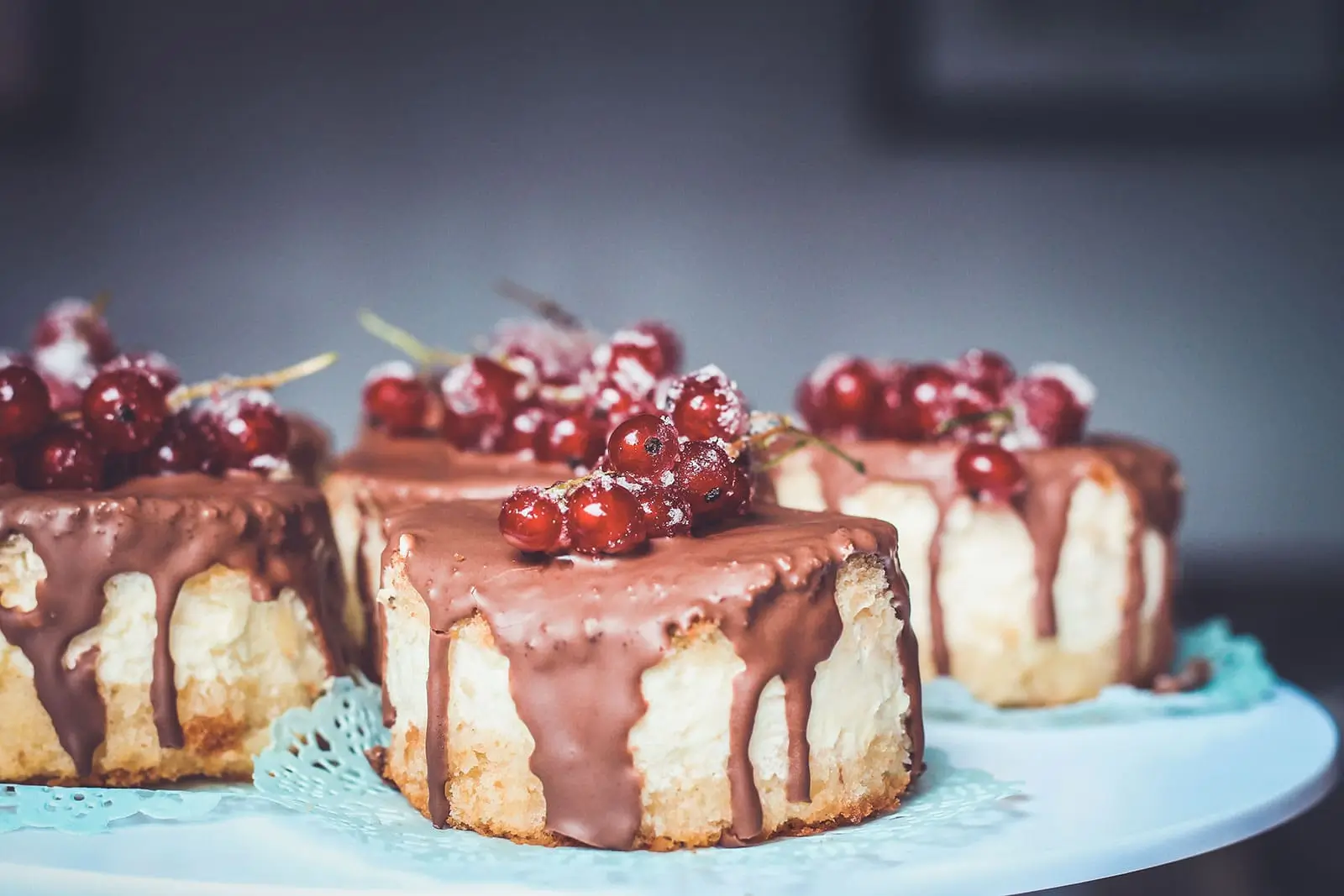
Cake Recipes – Product Overview
Welcome to Cake Recipes – Product Overview, a practical guide for home bakers seeking reliable results and creative inspiration. This section highlights timeless classics alongside contemporary flavors and finishes. You will find approachable methods, equipment recommendations, and ideas for elevating everyday bakes. Whether you are retracing traditional techniques or exploring modern cake design trends, this overview sets you up for confident, delicious results. From proven sponge formulas to show stopping decorations, the content is organized to help you plan, bake, and present with flair. Explore variations and tips that respect traditional baking methods while embracing contemporary trends.
Classic Cake Recipes
Classic cake recipes form the backbone of home baking, balancing reliable textures with comforting flavors that stand up to family gatherings and celebrations.
- Victoria sponge cake – a light, airy vanilla sponge layered with raspberry jam and softly whipped cream; a timeless party staple that demonstrates balance between sweetness and texture.
- Chocolate mud cake – dense, fudgy chocolate goodness with a moist crumb; ideal for celebrations, sliceable with ganache or buttercream finishes that keep its rich flavour intact.
- Lemon drizzle cake – zesty lemon sponge drenched with a tangy sugar syrup; light, refreshing and easy to bake, with optional lemon zest icing.
- Carrot cake with cream cheese frosting – moist spice cake studded with carrots and nuts, finished with a smooth, slightly tangy frosting that pairs perfectly with tea.
- Genovese sponge with jam and buttercream – a classic light Italian-inspired cake that layers thin, delicate sponges with fruit jam and buttercream for a refined finish.
Mastering these foundational cakes builds confidence to adapt fillings, frostings, and toppings for any occasion. They also serve as a springboard for creative variations, ensuring you can honor tradition while exploring modern twists.
Modern and Trendy Cakes
Modern and Trendy Cakes explore how home bakers translate cafe culture and contemporary design into accessible at home experiences. The emphasis is on bold flavors, interesting textures, and eye catching finishes that still remain achievable without commercial equipment. Expect lighter sponge architectures such as cakes with mousse layers and fruit compotes, alongside statement finishes like mirror glaze, metallic accents, and sculpted toppers. Contemporary flavors range from seasonal fruit infusions to unexpected pairings such as olive oil and citrus, chai spice, or coffee and chocolate. Finishing trends favor clean lines, naked or semi naked cakes, and delicate frosting textures that showcase the crumb rather than masking it. Decorating techniques include stencil patterns, drip effects, fresh fruit garlands, and simple geometric shapes that lift presentation without requiring advanced skills. Sustainability and customization are increasingly important, with options for reduced sugar, plant based substitutes, and allergen aware recipes that still deliver bold taste. The goal is to inspire experimentation while maintaining dependable textures and reliable crumb structure. When planning a modern cake, consider flavor balance, crumb stability, and the ease of serving segments that guests can easily cut and share. Many contemporary cakes leverage seasonal ingredients and local produce to create signature looks that adapt to festivals, birthdays, and everyday celebrations. Tools like coated spatulas, airbrushing kits, and ready to decorate toppers are used selectively to achieve professional looks without overcomplicating the process. Finally, remember that great modern cakes respect classic baking foundations while inviting personal expression and creative presentation.
Equipment and Ingredients Overview
A dependable bake starts with the right toolkit and pantry staples.
| Item | Category | Typical Use | Notes |
|---|---|---|---|
| Mixer (stand or handheld) | Equipment | Creams butter and sugars, blends batters | Invest in at least 250–300 W; a timer helps |
| Cake pans | Equipment | Holds batter during baking; available in multiple sizes | Choose non-stick for easy release |
| Mixing bowls | Equipment | Stirring and combining ingredients | Stainless steel or glass; variety of sizes |
| Kitchen scale | Equipment | Precise ingredient measurements | Look for at least 1 g accuracy |
| All-purpose flour | Ingredient | Structure and batter body | Use fresh and sifted for lighter crumb |
| Granulated sugar | Ingredient | Sweetness and browning in batters | Fine grain helps even mixing |
| Unsalted butter | Ingredient | Flavor and moisture in cakes | Softened for creaming; high quality |
| Eggs | Ingredient | Structure, moisture, and richness | Room temperature for better emulsion |
Choosing reliable tools and fresh ingredients helps ensure consistent results across classic and modern recipes. Having a clear setup reduces stress, especially during multi component bakes.
Key Features and Benefits
Our collection blends classic cake craft with modern inspiration to offer reliable results and delightful flavors for home bakers. You’ll find tested methods, precise measurements, and clear technique notes that help reproduce tender moist crumb, balanced sweetness, and durable structures for layer cakes. Recipes emphasize accessible equipment, common pantry ingredients, and practical timing tips to save time without compromising quality. They also present creative decorating ideas and presentation strategies that elevate everyday bakes into celebratory desserts. Whether you bake for family gatherings or a quiet weekend treat, these features help you gain confidence and enjoy the process of making memorable cakes.
Why These Recipes Work
At the heart of successful cake baking is a balance between structure, moisture, and aroma. Classic cakes rely on well-tested ratios—flour, fat, sugar, eggs, and a leavening agent—and on techniques that strengthen the batter before it bakes. Creaming butter and sugar introduces air, which helps the crumb rise, while sifting dry ingredients reduces clumps and ensures even hydration. Room temperature ingredients mix more smoothly, but not too long, preventing excess gluten development and a dense texture. Depending on the recipe, you may switch to melted butter or oil for different mouthfeel, or to yogurt and buttermilk for tenderness and tang. The method matters as much as the ingredients: beating times, folding gently, and the order of addition can determine crumb structure and moisture retention. Temperature also matters: preheating the oven, avoiding drafts, and testing with a toothpick help you avoid underbaked centers or sunken tops. Our selections lean on traditional techniques while embracing modern tweaks that improve reliability without sacrificing character.
Classic cakes often rely on creamed mixtures for a fine, tight crumb, where fat coats flour strands and controls gluten development. Modern cakes, by contrast, may incorporate alternative fats or emulsifiers and rely on aeration from whipped eggs or aquafaba to keep the texture light. Even with flavor variations, the foundation remains the same: accurate measurement, gentle mixing, and consistent pan preparation. We emphasize room-temperature dairy for emulsification and use of parchment guides to prevent sticking; lining pans helps maintain even browning. The leavening choice—baking powder, baking soda, or beaten eggs—determines rise and crumb color, so adjusting acid balance and moisture can harmonize texture. Sugar not only sweetens but also tenderizes by inhibiting gluten formation and helping retain moisture; too much can dry the cake, while too little can fail to rise. We also highlight the role of fat: butter contributes flavor and a fine crumb; oil yields moistness and longer shelf life. Our recipes chart these effects clearly, so home bakers know what to adjust for altitude, humidity, or equipment differences.
Finally, the bake process itself can be tuned for consistent results across kitchens. Temperature accuracy matters; a good oven thermometer helps prevent hot spots that unevenly bake layers. Mixing speed should be moderated to avoid a dense crumb, and resting batter briefly can improve hydration and peak expansion. Pan choice, coating, and layer thickness influence bake time and evenness; thin layers bake quickly with crisp edges, while taller tiers need longer, lower heat to avoid drying the exterior. Cooling, stacking, and filling are as important as the bake: a well-chilled layer yields cleaner slices and better frosting adhesion. We encourage tasting and adjusting sweetness, acidity from citrus or dairy, and aroma from vanilla or coffee to tailor each cake to your audience. By mastering these fundamentals, you gain the flexibility to recreate beloved classics or craft entirely new favorites with confidence, knowing the underlying science supports every result.
These principles translate into reliable results across the cakes you will find in Cake Delic’s collection: the classic Victoria sponge, the indulgent chocolate ganache cake, the airy chiffon, and the richly spiced carrot cake. Each recipe is designed with clear measures, consistent mixing times, and practical tips that can be adapted to your kitchen. With a solid grounding in technique, you can experiment with flavors, fillings, and decorations while keeping the core texture consistent. The goal is to empower home bakers to predict outcomes rather than chase failures, turning every bake into a pleasurable learning moment.
Healthier and Dietary Variations
Dietary needs vary, and these options show how you can tailor popular cakes to gluten-free, vegan, and reduced-sugar preferences while preserving texture and flavor. Each variation keeps the essential structure of the cake while substituting ingredients.
- Gluten-free almond sponge uses finely ground almonds and a soft gluten-free blend, yielding a tender crumb when balanced with yogurt and a touch of honey.
- Vegan chocolate cake uses flax or chia eggs, coconut milk, and olive oil for moisture, achieving a rich crumb without dairy products.
- Lower-sugar citrus chiffon substitutes part of the sugar with fruit puree or applesauce, delivering bright flavor while preserving delicate structure through properly emulsified fats.
- Whole-grain-friendly vanilla cake uses spelt or whole-wheat flour with extra moisture from yogurt and applesauce to keep tenderness without sacrificing flavor.
- Coconut-forward cake uses coconut milk and shredded coconut, delivering tropical aroma and moisture when paired with a light glaze and almond meal substitution.
With careful adjustments to liquids, fats, and leavening, you can achieve satisfying results that family and guests will enjoy. These approaches empower you to bake confidently and customize favorites for different diets.
Flavor Pairings and Serving Ideas
Flavor pairings start with balancing sweetness, acidity, and aroma. Classic combos like chocolate with orange, vanilla with berries, and spice with citrus remain reliably pleasing because their contrasts stand out in the crumb. Treat the filling and frosting as extensions of the flavor story, not afterthoughts. A silky buttercream carries delicate notes; a tangy cream cheese or glossy ganache can deepen richness. Texture variations—glossy glaze against a soft crumb, or a crisp biscuit layered with smooth cream—keep each slice interesting. For contemporary cakes, explore pistachio with lemon, matcha with white chocolate, or coffee with hazelnut to surprise without overpowering the base cake. Harmony is the goal; every component should enhance the whole.
Serving ideas align with the flavor narrative. For a bright citrus cake, finish with a light glaze and zest; for chocolate-forward cakes, pair with berries or a dollop of whipped cream. Plate on a neutral board to let colors speak, and consider a simple mirror glaze to reflect the light. Temperature affects perception: warm slices release aroma and soften frostings, while cooler slices hold their shape and intensify notes. Pair flavors with beverages such as coffee with chocolate or sparkling tea with citrus for a balanced experience. Garnish thoughtfully: a dusting of cocoa, a few edible flowers, or a spiral of citrus peel can signal flavor without overwhelming taste.
Decoration should mirror the flavor story. For a clean, modern look, use smooth frosting, even edges, and a restrained accent color that echoes the cake notes. For rustic or vintage cakes, scatter curls of chocolate, a light dusting of icing sugar, or fresh berries to add texture. Consider multiple textures on the plate—soft cake, glossy glaze, crisp biscuit—so each bite offers variety. The presentation should support the cake, not overpower it, and practice will teach you how to slice neatly and serve gracefully.
Experiment by grouping flavors around a central theme—fruity brightness, chocolate depth, or floral notes—and documenting outcomes to refine favorites. Keep tasting as you go, adjust sweetness to suit your crowd, and calibrate frosting thickness to maintain balance. With practice, you can translate professional ideas into home-friendly presentations that surprise and delight. The result is a small repertoire of flavor ideas ready to impress at birthdays, holidays, or simple weekend gatherings.
Specifications and Performance
Specifications and performance details help bakers achieve consistent results across a range of classic and modern cake recipes. This section translates bake times, temperatures, and technique guidance into practical, kitchen-ready instructions. You will find table-based guidelines for common cakes, plus troubleshooting tips and storage recommendations to extend freshness. By understanding how variables like pan size, oven calibration, and ingredient temperature interact, you can predict outcomes more reliably. Use these references as a baseline, then tailor them to your own equipment and preferences.
Baking Times and Temperature Guidelines
These guidelines provide reliable baselines for common cake formats, combining traditional methods with modern adjustments for home ovens. Use them as starting points, then monitor your bake with visual cues like color, spring, and a clean toothpick to decide when a cake is done.
| Cake | Temperature °C | Time (min) | Pan size | Notes |
|---|---|---|---|---|
| Classic vanilla sponge | 180 | 25–30 | 20 cm round | Light crumb; springy texture; avoid overmixing to prevent tunnels |
| Chocolate fudge cake | 180 | 30–35 | 20 cm round | Dense, moist crumb; test at 30 min; cover top if browning quickly |
| Carrot cake | 170 | 45–55 | 20 cm round | Fragrant with spices; ensure center is set; avoid an underbaked middle |
| Lemon drizzle loaf | 175 | 40–45 | Loaf tin (approx 900 g) | Golden crust; syrup soak after cooling for moisture |
| Victoria sponge | 180 | 25–30 | Two 20 cm rounds | Hollow centers can form; level before stacking with jam and cream |
These times assume standard home-oven performance and accurate pan sizes. If your oven runs hot or you use glass pans, adjust by 5–15 minutes and monitor doneness with color and texture.
Troubleshooting Common Issues
Cake baking is as much about process as it is about ingredients. Begin by confirming your oven’s actual temperature with a reliable thermometer; a miscalibrated oven is a common source of under- or overbaking. Sinking centers often indicate heat that’s too high or leavening that was added too early; if you notice a sunken middle after a long bake, reduce the oven temperature by 10–20°C and allow the cake to cool gradually.
Domed tops are sometimes caused by batter resting too long before baking or by overproofing; quick fixes include smoothing the top with a spatula and trimming once cooled. Dry or crumbly textures frequently result from overbaking, excessive flour, or insufficient moisture; try adjusting bake times by a few minutes, adding a splash of milk or yogurt to the batter, or increasing fat content slightly.
Cracking, especially across the top, can come from temperature spikes or heavy mixing; bake with a stable oven temperature and fold ingredients just until combined. Dense, heavy crumb loaves are usually a sign of insufficient aeration or weak leavening; ensure eggs and sugar are whisked adequately and sift flour to remove lumps. Open the oven door as little as possible during the first 2/3 of the bake to prevent sudden temperature drops. Finally, ensure all ingredients are at room temperature to promote even mixing and consistent rise. Practicing with small test cakes helps you identify your oven’s quirks and refine timing for your favorite recipes.
Shelf Life and Storage Recommendations
Storage decisions depend on cake type, frosting, and fillings. Plain unfrosted or lightly frosted cakes stored in an airtight container at room temperature stay fresh for about 1–2 days; for longer periods, refrigerate to slow staling, but keep them sealed to prevent drying. Buttercream- or ganache-frosted cakes without perishable fillings usually keep for 3–4 days in the fridge; bring to room temperature before serving for the best texture. Most cakes freeze well; unfrosted or lightly frosted cakes can be frozen for 2–3 months when wrapped tightly in cling film and then foil, while fully frosted cakes are best used within 1–2 months. For best results, wrap slices or portions individually to protect against freezer burn and label with the bake date. When thawing, move frozen cakes to the fridge overnight or let them sit at room temperature away from direct heat for 2–4 hours, then refresh frostings with a light whisk or extra glaze if needed.
Plans, Offers and Value
Whether you bake for family, friends, or a small home bakery, having clear plans for cake purchases and seasonal deals helps you maximize value.
This section explores practical ways to price, source, and present classic and modern cake ideas without compromising flavor or quality.
From ingredient sourcing to decoration techniques, smarter planning reduces waste and supports a consistent, joyful baking routine.
You will learn how to compare suppliers, leverage bulk buys, and tailor bundles for events like birthdays, weddings, and seasonal celebrations.
We also share ideas for affordable decorating options and cost conscious packaging that maintain a premium feel.
Planning with value in mind keeps home bakers competitive while still delivering delicious, Instagram worthy cakes.
Cost Breakdown and Ingredient Sourcing
Understanding the true cost of baking at home begins with a clear plan that accounts for ingredient yield, unit pricing, seasonal availability, and the occasional bulk purchase, helping you avoid overpaying for essentials and ensuring your recipes stay within budget.
By mapping out reliable suppliers, tracking unit prices, and considering pantry staples you already own, you can translate each recipe into a transparent cost that supports smarter shopping and more consistent results.
- Source key ingredients from multiple channels, comparing price per unit for flour, sugar, butter, eggs, vanilla, and leaveners, and weigh discounts from wholesale clubs or wholesale online retailers.
- Leverage seasonal produce and pantry staples to reduce costs while boosting flavor, choosing fruit fillings, zest, or spices that align with current promotions and local harvests.
- Buy ingredients in bulk when possible and portion them into small, labeled containers to minimize waste and take advantage of lower unit prices without compromising freshness.
- Seek reliable store brands or generic equivalents for basics like flour and sugar, and reserve premium items for special cakes where flavor matters most.
- When recipes call for specialty ingredients, compare substitutes with cost and performance in mind, testing small batches to avoid costly misfires and waste.
- Plan for equipment needs by exploring secondhand markets or rental options for tools like pulverizers, piping tips, or cake layers, avoiding impulse buys that inflate the budget.
- Track ingredient prices over time using a simple spreadsheet and set alerts for price dips, so you can time your shopping to coincide with promotions.
Around storage and value, beyond the sticker price, evaluate long-term value by considering how ingredient quality influences texture, flavor, stability, and yield in finished cakes; for example higher fat butter can yield a silkier crumb and more reliable whipping, while fresh fruit can reduce dependence on artificial flavor boosters, and properly aged spices deepen aroma and complexity without forcing additional costly adjustments, ultimately lowering per serving expense by increasing overall yield and minimizing waste during multiple bake cycles, while also encouraging storage methods that extend freshness through freezing portions, labeling, and planning defrost timelines.
To operationalize this, maintain a simple costing ledger that tracks price per unit, current stock, and expected shelf life for pantry staples, then schedule bulk buys around seasonal promotions and deliverables like wedding cakes, party favors, or weekend loaf projects; this habit not only stabilizes monthly expenses but also clarifies pricing decisions when you offer custom cakes or classes, while relationships with local producers, negotiated payment terms, and a forward-looking forecast help you plan recipes, rotations, and value focused communications with family, friends, and clients.
Party and Seasonal Cake Packages
Planning party and seasonal cake packages begins with understanding your audience and your capabilities; for home bakers, it’s about balancing creativity with practicality to deliver memorable desserts on predictable timelines.
Start by creating a small menu of reliable favorites and rotating seasonal options that reflect holidays, school terms, or local events. Each package should specify flavor profiles, size options, lead times, and the level of decoration you’re comfortable executing; clearly stating these details on your order form reduces back-and-forth, protects against scope creep, and sets expectations with clients or family members. Consider packaging choices that travel well and present beautifully, such as sturdy cake boards, clear boxes, and simple ribbons that convey a polished, homemade look. Finally, price each package to cover ingredients, labor, packaging, and delivery or pickup while leaving a comfortable margin for adjustments and occasional discounts.
Seasonal cake ideas lend themselves to themed sets that simplify purchasing and reduce waste; for example, a winter spice cake with citrus glaze can be offered as a small birthday option or a holiday centerpiece, while a lemon blueberry number cake suits spring gatherings and baby showers. Build three or four standard sizes (6, 8, and 10 inches) and offer add-ons such as tiered toppers, edible decorations, or fruit compotes as optional extras; this modular approach makes it easy to customize while keeping production steady. Communication templates help you convey what’s included in each package, the expected timeline, and any dietary accommodations you can accommodate, so clients feel confident choosing you for their celebrations.
Marketing and operations tips include presenting packages with a simple visual menu and a short FAQ addressing common questions about delivery windows, set-up, refrigeration needs, and how long the cake will stay fresh between bake day and event. Offer a few recurring promotions, such as a seasonal bundle or a loyalty discount for repeat customers, to incentivize longer-term relationships; keep your calendar in sync with ingredient promotions so you can fill gaps with readily available items while maintaining quality. By measuring uptake and feedback, you can refine flavors, adjust packaging, and introduce new seasonal curves without overextending your kitchen capacity.
Tips for Scaling Recipes and Batch Baking
Scaling recipes and batch baking starts with a reliable method for scaling: always compute by weight rather than volume when possible, use consistent measuring tools, and verify yields with test bakes before large runs. When you double a recipe, re-check ratios for moisture, structure, and leavening; baking times may increase, but not linearly, so plan for staged oven loads and monitor crumb color. Use a dedicated work zone or sheet for each stage—measuring dry ingredients, mixing batter, and baking—to avoid cross-contamination and mis-measuring in busy sessions. Keep notes of adjustments about mixer speed, scraper removal, and cooling times; these details compound to save time and improve repeatability across flavors. Batch baking also benefits from standardized equipment, such as one-size pans, uniform racks, and proven frosting batches that can scale up cleanly.
Kitchen workflow is another critical element: plan multiple cakes back-to-back while leveraging the same oven, mixers, and chill time, so you reduce idle periods and maximize energy use. Build a simple bake schedule that sequences pans by oven position and heat needs, aligning prep, bake, and cooling windows with the rest of your tasks; this helps you hit reliable delivery times without last-minute stress. When time is tight, consider freezing finished layers or batters in staged portions that can be thawed and assembled later, preserving moisture and flavor. Finally, maintain a reserve plan for common substitutions, so you can adapt if a supplier runs low on a key ingredient without compromising the quality of the batch.
Quality control and labeling matter just as much as taste: label batches with bake dates, batch numbers, and notes about adjustments, then use a quick checklist to ensure each cake meets your standard for texture, sweetness, and appearance. Track waste and redemption opportunities—if glaze or frosting is leftover, you can repurpose it into fillings or decorative swirls for future cakes—so you learn where to cut costs without sacrificing aesthetics. Finally, develop a simple scaling calculator in a notebook or spreadsheet that converts any recipe to the right size for your next event, including both generous and tight budgets.