
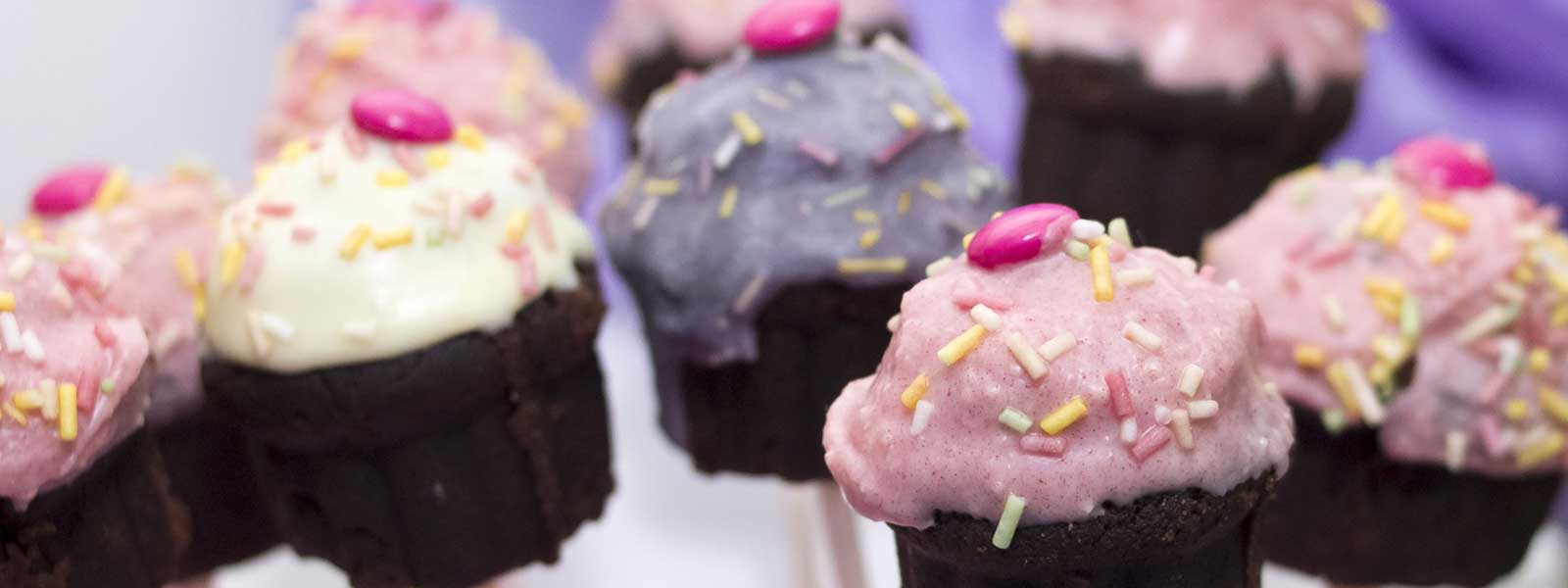
Product Overview – Cake Decorating Techniques for Professionals
Professional cake decoration combines artistry with precise technique to deliver refined, repeatable results. This overview introduces core skills, materials, and workflows that elevate home baking to bakery quality. You will explore essential decorating principles, frosting and filling choices, and a step by step workflow used by professionals. The guidance covers fondant sculpting, buttercream piping, edible garnishes, color theory, and cake assembly methods. By adhering to these practices, you can achieve consistent presentation, reliable stability, and efficient production in any setting.
Essential Decorating Principles
In professional practice, decorating principles are not abstract ideas but practical guidelines that shape every decision from concept to execution. A reliable workflow begins with a clear brief that defines the cake’s purpose, audience, and service environment. When selecting materials, consider size, servings, transportation, and the venue climate, because stability shifts with temperature and movement. The surface finish should align with the design narrative, the chosen technique, and the level of finish your client requires, while still being feasible within the allocated production time. Humidity, airflow, and packaging all influence fondant drying, buttercream set, and ganache sheen, so planning around these factors saves rework. By documenting preferences and constraints at the outset, you create a reference that speeds production and protects consistency across a team. The principles below address technique, proportion, color logic, texture differentiation, and presentation strategy used by seasoned professionals across styles. Develop a formal checklist for each project to help ensure no step is missed. Regular reviews after completion build a growth loop that sharpens technique and increases efficiency.
- Consistency in measurements, temperatures, and timing keeps finishes smooth and predictable, allowing you to reproduce exact results even when a team works on multiple cakes and when schedules tighten.
- Balance the design elements with durable construction so decor remains intact during transport, slicing, and handling without compromising overall aesthetics or triggering mid process adjustments in a live service.
- Structure first in your planning by incorporating internal supports, crumb coats, dowels, and stiff layers to prevent sagging while enabling clean, sharp edges that showcase precision under pressure.
- Color theory guides palette choices and shading to add depth and harmony, avoiding overwhelming contrast while maintaining legibility, focal points, and a cohesive story across tiers and borders.
- Texture and detailing require deliberate pacing, selecting piping tips, fondant textures, and edible garnishes that enhance dimension without crowding the design, while staying aligned with the concept.
Apply these principles consistently by documenting processes for each project, building a color and texture reference library, and training teammates to reproduce standards for stable, scalable outcomes. This approach also supports cross training, reduces burnout, and helps align production with client timelines. Remember that practice makes refinement visible in every detail and every edge. Reviewing finished cakes against the initial sketch is a quick way to ensure alignment with the brief. Always aim for minimal touchups.
Types of Frostings and Fillings
Frostings and fillings define not only taste but how a cake behaves under stress, both in a display case and during service. Each option brings stability, flavor, and finish that suits different designs, timelines, and temperatures. In a professional kitchen, weigh how a chosen topping or middle layer will support structure, maintain moisture, and hold color and texture through transport and slicing.
Humidity and heat can shift texture, so choose based on serving time and transport plan. Test combinations on a practice cake to confirm performance under typical service conditions.
Planning and sketching the design
Begin with a thorough planning phase that translates concept into actionable steps. Review the client brief, event context, serving size, and delivery requirements before touching dough or fondant. Gather visual references, create mood boards, and sketch multiple design directions to explore proportion, symmetry, and focal points. Translate ideas into practical constraints such as available height, needed supports, and color limits for the chosen season. Map out a production schedule that aligns with your team’s capabilities and the event timeline, including drying times for fondant, chilling intervals for buttercream, and transport preparation. Decide on a central motif and how it will cascade through tiers, borders, and edible accents. Record decisions in a design brief that accompanies the cake so the entire team shares a single vision. Prototype small 3D or mock versions if space allows, and confirm feasibility with the bakery manager. Finalize material lists with exact weights and suppliers to prevent shortages.
Layering and crumb coating
Layering and crumb coating establish the cake’s internal structure and surface quality. Start with a firm board, proper dowels, and a stable base to prevent shifting during transport. Build the first cake tier with a thin, even layer of buttercream or ganache to help subsequent layers grip and to seal crumbs. Place the next layer gently, align edges, and repeat until your stack matches the planned height. Apply a consistent crumb coat that is thin enough to dry cleanly but thick enough to trap crumbs. Chill between coats to ensure a taut, smooth surface ready for finish decorations. Finally, trim any edges with a heated spatula to create a true planar surface before applying the final cover, whether fondant or satin-smooth buttercream. Maintain consistent thickness around the circumference to avoid high and low spots and to support even air flow during drying. Monitor crumb coat drying times with a small window to prevent over-drying or tackiness.
Final decoration and finishing touches
Final decoration and finishing touches reveal the cake’s character and polish. Plan piping patterns, textures, and placement of edible elements to guide the viewer’s eye around the cake. Apply borders, lace, or stenciling with consistent pressure and clean edges. Add edible garnishes sparingly to maintain balance and avoid clutter. Perform a final check of symmetry, alignment, and transport stability, and adjust any element that appears uneven before presenting. Check lighting and plating considerations, and ensure the cake can be sliced cleanly without compromising the design. Document any final changes for client review and capture a reference photo to guide future iterations. It is wise to schedule quick post service reviews to refine presentational accuracy for future projects.
Common Mistakes and How to Avoid Them
Even with a strong workflow, mistakes can derail a project if not addressed early. Recognizing common pitfalls in planning, assembly, finishing, and presentation helps professional decorators recover quickly, minimize waste, and protect consistency across orders. Being proactive means verifying design feasibility, controlling air flow during drying, and maintaining clean tool discipline to avoid smudges and cracks. The following list identifies frequent errors and concrete strategies to prevent them, so you can maintain pace while delivering the refined look your clients expect. Teams should adopt a standard checklist, hold brief daily standups, and document every adjustment to build a shared memory of best practices.
Rushing the planning phase with a vague concept leads to mismatched components, misaligned measurements, and a final design that struggles to meet technical constraints and client expectations from the outset.
Poor board or dowel placement causes internal shifting that becomes visible after coating, creating uneven edges, gaps, or sudden collapses when stacked, especially under transport or handling.
Inconsistent thickness of coatings leads to light and dark patches that misrepresent the design, making borders and textures fade or clash during final presentation on display in photographs and showcasing events.
Poor color handling or incompatible pigments causes bleeding, muddy tones, or color shifts as the cake sits, compromising overall harmony and reducing client satisfaction across delivery, display, and tasting events.
Addressing these issues through preproduction checks, routine tests, and crew briefings keeps velocity high while preserving the precise finish that clients demand. You should schedule quick audits during setup and after each milestone to catch drift early.
Key Features and Benefits for Professional Bakers
Mastering cake decorating techniques is a critical driver of efficiency, repeatable results, and standout aesthetics in a professional kitchen. This section explores the core features that elevate a baker from capable to standout, including tool selection, technique depth, and disciplined workflow. You’ll learn how methods like fondant sculpting, buttercream piping, and precise color application translate into faster production, fewer defects, and more confident client storytelling. By aligning technique with color theory, texture, and safe handling of ingredients, bakers can deliver consistent masterpieces that scale across orders and seasons. Ultimately, adopting these features supports better time management, higher-margin offerings, and a reputation for reliable, artistic cake design.
Skill Benefits: Speed, Consistency, and Presentation
Skill Benefits: Speed, Consistency, and Presentation describe a trio of outcomes that every professional baker strives for in daily production, and they arise most clearly when cake decorators train with intention and apply a deliberate, technique-focused approach to both routine tasks and high-visibility designs. When decorators become fluent in Cake Decorating Techniques such as smooth buttercream application, reliable fondant coverage, precise piping with a full set of tips, and controlled royal icing detailing, they unlock a faster workflow and dramatically reduced rework, because the core actions are settled into muscle memory rather than improvised on the fly. Speed comes from refined muscle memory, standardized motion, ergonomic tool selection, and a well-structured workstation; by practicing crumb coats, minimal shaping passes, and guided piping with consistent pressure, teams can complete more cakes in the same shift without sacrificing finish quality or accuracy. Consistency stems from repeatable methods, calibrated equipment, controlled temperatures, and measured ingredients; this means that every wedding cake, every layer cake, and every specialty dessert meets a known standard of texture, sliceable crumb, symmetry, and edge crispness, enabling kitchens to reproduce signature looks across multiple orders. Presentation is the visible result of technique in action, where evenly distributed icing, clean edges, correct scale, and balanced decorative elements align with the design concept; mastering color theory in baking and the precise use of edible garnishes and textures allows decorators to translate client briefs into cohesive aesthetics. To realize these benefits, teams implement structured practice routines, performance checklists, and routine audits of finishes, ensuring that speed, consistency, and presentation advance together rather than conflict for attention or drift apart over time. Real-world impact includes shorter lead times for recurring orders, higher first-try acceptance rates from clients, and the ability to take on more complex projects without increasing stress in the shop. As operators track metrics such as production time per cake, rework percentage, and decoration error rate, they can identify training gaps and tailor drills to push the envelope of Cake Decorating Techniques while maintaining safety and ingredient handling standards. In short, investing in skill development that targets speed, consistency, and presentation creates a multiplier effect: faster turnaround, fewer defects, and visuals that reinforce a bakery’s brand promise.
Business Advantages: Upselling and Pricing Strategies
Business advantages hinge on translating technical skill into tangible revenue, and advanced decorating capabilities are one of the most effective levers for upselling premium cake projects. When customers understand what goes into a cake—hand-painted details, sugar flowers, handcrafted toppers, fresh fruit garnishes, and flawless piping—they perceive greater value and are willing to pay accordingly. Pricing strategies should reflect the time, materials, and expertise involved, balancing labor hours with ingredient costs, equipment depreciation, and the risk of late changes; this is where the contrast between cost-plus pricing and value-based pricing becomes meaningful. A tiered offering allows a bakery to present a standard line while offering mid-range and luxury options that unlock additional work, such as custom color matching, theme-driven designs, and sculpted elements, each with explicit lead times and design drafts. Upsell opportunities can be structured as add-ons like edible gold leaf, hand-painted accents, fresh flowers sourced from approved suppliers, and sugar-dome toppers, all of which justify higher margins when presented as part of a cohesive cake collection. Professionals who educate clients with mood boards, sample boards, and design renders can reduce scope creep and create confidence that the final product will meet expectations, while enabling higher billable rates. Operationally, investing in capabilities such as advanced fondant sculpting, gum paste flower work, and airbrushed shading requires careful scheduling, but the payoff is a more flexible capacity to handle custom orders while preserving standard production flow. To implement these strategies in practice, teams should map the cost of designs, set clear design permissions, and train front-of-house staff to present options that align with the bakery’s price architecture and brand narrative.
Training and Skill Development Paths
Training and Skill Development Paths describe a clear ladder from basic cake assembly to advanced decorative artistry, designed to fit the needs of home bakers, bakery staff, and professional decorators. Beginner tracks focus on foundational techniques: mastering basic buttercream stability, simple piping with common tips, level trimming, and safe handling of ingredients, along with essential hygiene and equipment safety. Intermediate paths introduce fondant handling, smooth coverage, color theory, tension control with rolling pins, and the creation of clean, repeatable edges, as well as a shift toward more precise assembly and stacking methods. Advanced curricula cover fondant sculpting, sugar work, gum paste flowers, airbrushing, hand painting, and complex sugar-paste textures, plus advanced techniques like lace impressions and multi-tier alignment under professional constraints. Delivery of training can take many forms, including in-house mentorship, structured apprenticeships, online modules, and hands-on workshops; blending formats helps cater to different learning styles and schedules. Practice plans are essential, with progressive goals, weekly practice hours, and milestone assessments that verify competency before advancing, ensuring that safety, recipe integrity, and finish quality stay at the forefront. Assessment and certification, whether through internal reviews or external programs, provide benchmarks that staff can reference when applying for promotions or taking on higher-stakes orders, while supporting a bakery’s talent pipeline. Finally, a path for ongoing development emphasizes staying current with industry trends, experimenting with new edible technologies, and maintaining a portfolio of work that demonstrates growth, adaptability, and leadership in Cake Decorating Techniques.
Specifications, Materials, and Tools Required
Specifications, materials, and tools form the backbone of any successful cake decorating program. This H2 introduces the core equipment, ingredient options, and hygiene practices that influence finish quality, consistency, and safety. Understanding the right tool quality, ingredient choices, and sanitation habits helps both home bakers and professional shops achieve professional-looking results. The right setup supports faster workflows, cleaner decoration, and more predictable outcomes across techniques.
Essential Tools for Professional Cake Decorating
The core tools listed below cover the essential categories needed to execute professional decorating techniques.
| Tool | Primary Purpose | Quality Level | Example Product Type |
|---|---|---|---|
| Rolling Pin | Evenly roll out fondant and dough without tearing or cracking, creating uniform thickness across large surfaces. | Professional-grade | Marble or heavy-duty polyurethane options |
| Piping Bags | Precise icing work, borders, and detail during decoration. | Professional-grade/reusable | Nylon reusable bags with metal couplers |
| Piping Tips | Varied shapes for borders, rosettes, and lettering, enabling consistency across multiple cakes. | Stainless steel, size range 1–16 | Gold-plated or stainless tip set |
| Fondant Smoother | Smooth fondant surfaces and sharp edges on sculpted pieces and panels. | Durable polymer or stainless steel | Smoother with a buffer edge |
| Fondant Cutter and Scorer | Trim and cut fondant pieces for clean seams and geometric panels. | Metal or plastic, sharp blades | Rotary wheel or scoring tool |
| Cake Leveler or Serrated Knife | Even cake layers for stable stacks and precise assemblies. | Adjustable or professional-grade knife | Wire leveler or long-blade knife |
| Bench Scraper and Icing Smoother | Crumb coat edges and create straight sides during assembly. | Stainless steel or heat-resistant plastic | Professional bench scraper |
Invest in well-made tools to save time, reduce fatigue, and yield cleaner finishes across techniques.
Materials and Ingredient Choices
Choosing decorating ingredients requires balancing flavor, texture, stability, and handling characteristics across climates and techniques.
- American Buttercream — A versatile buttercream made from butter, icing sugar, and a touch of milk, prized for reliable stability, easy coloring, and forgiving smoothing on stacked or carved designs.
- Swiss or Italian Meringue Buttercream — A light, silky buttercream offering refined texture and excellent piping stability, though it requires precise temperature control and longer preparation.
- Fondant — Ready-to-roll fondant provides a polished, smooth surface ideal for sculpted figures, seamless borders, and bold color blocks, though it can be less forgiving on humid days.
- Royal Icing — Royal icing dries to a hard, smooth finish perfect for detailed piping and delicate lace, but it sets slowly and requires careful humidity management.
- Ganache — A glossy chocolate ganache delivers rich flavor and a sleek finish for glazing and drip designs, needing precise temperature control and adequate setting time.
- Modeling Chocolate — Modeling chocolate blends cocoa butter with chocolate for sculptural elements, offering durability and detail, though it can require tempering and careful storage to prevent blooming.
When selecting ingredients, consider stability, flavor, mouthfeel, and color performance to ensure consistent results across sessions and seasons.
Tool Maintenance and Sanitation
Regular cleaning and sanitation must be part of the daily routine in any decorating operation. Start by cleaning tools, bowls, piping bags, and mats with hot water and a mild, food-grade detergent, paying extra attention to icing residue in crevices. Rinse thoroughly to remove all soap traces, then dry completely before storage to prevent rust and microbial growth. For sanitization, use a food-safe sanitizer appropriate for your facility, following the manufacturer’s instructions for contact time and dilution. Store tools in clean, labeled containers or dedicated drawers, and keep color-coded utensils separate to minimize cross-contamination between flavors, ingredients, and allergens. Non-porous surfaces such as stainless steel counters and silicone mats should be wiped down regularly and sanitized between tasks. Inspect tools for wear and damage; replace dull blades, bent tips, and cracked rulers to avoid impacting cake finishes. Dry storage is essential; avoid leaving damp piping bags or silicone mats exposed to air for extended periods. In a busy bakery, develop a simple sanitation checklist and train helpers on hand hygiene, hair restraints, and safe handling of perishable ingredients, ensuring consistent practice across shifts. Finally, maintain a routine maintenance log for cleaning equipment, confirming that dishwashers, sanitizing solutions, and storage systems stay within recommended guidelines.
Pricing, Offers, and Competitive Comparison
Pricing, offers, and competitive comparison are central to communicating value in the cake decorating market, whether you’re a home baker expanding into small-batch production or a bakery aiming for sustainable margins. This section outlines how professional bakers price custom cakes, what offers and discounts can be responsibly deployed, and how to benchmark against competitors without sacrificing quality. We’ll explore transparent costing methods, the role of design complexity, tiered pricing, and the impact of packaging and service inclusions on final quotes. Readers will also find practical guidance on presenting value through presentation, delivery, and limited-time promotions that reinforce your brand as a trusted cake decorator. Throughout, the emphasis remains on balancing profitability with client delight, and on using data-driven comparisons to identify market gaps and opportunities for differentiation.
Pricing Strategies for Custom Cakes
Pricing custom cakes begins with a transparent calculation of cost of goods sold, then adds overhead and a design premium that reflects the time and artistry involved. Start by itemizing ingredients by portion, noting how flavor choices, fillings, and dietary requirements alter per-serving costs. Include utilities, equipment wear, kitchen space, packaging, and transportation when estimating overhead, so the price you present isn’t masking hidden expenses. The simplest approach is cost-plus pricing: calculate the direct ingredient cost per cake, apply a gross margin that covers overhead, and then add a design fee that recognizes consultation time and sketching. For example, if ingredients average £4 per serving and your overhead on a 60-serving cake sits at £200, a 1.8–2.2x overhead multiplier can produce a base price in the £10–£12 per serving range, with additional design considerations for sculpted or fondant designs.
Another common method is value-based pricing, which aligns the price with the perceived value of the cake to the client. If a client is commissioning a wedding cake with multiple tiers, sugar artistry, on-site delivery, and setup, the premium is not just material cost but the confidence and convenience you offer. In practice, value-based pricing means pairing a clear base price for standard cakes with separate add-ons: design consultations, rush orders, and bespoke decorations. A tiered pricing ladder helps consultants quote quickly while maintaining flexibility for revisions. For example, you might set a standard 60-serving buttercream cake at £350, then attach a design premium of £120 for intricate detailing, and £60 for rush handling, which brings the total into a transparent, negotiable range.
Packaging and Value-Added Offers
Packaging and presentation play a pivotal role in perceived value and order outcomes. The right packaging protects the cake, reinforces brand identity, and can influence a client’s willingness to invest in a premium design. Invest in sturdy boxes, appropriate internal padding, and branding elements such as moisture-resistant labels. A well-presented product also reduces the likelihood of damage during delivery, which protects margins and preserves a positive client experience. When you price packaging, consider it as part of the service level you offer rather than a separate add-on to be argued at the end of a quote.
Presentation touches extend beyond the box. Ribbon, tissue, a handwritten note, and branded tissue paper can elevate perceived value without large material costs. If you routinely offer edible elements, such as gold leaf or hand-painted accents, position them as optional upgrades rather than standard inclusions. Consider creating a three-tier presentation package: basic, premium, and luxe, each with a defined box, tissue, and set-up expectations. This makes the buying decision clearer for clients and helps your sales conversations stay focused on design outcomes rather than price hagglinG.
Value-added offers should align with client goals. Complimentary tasting sessions for weddings, a free concept sketch, or a mock-up topper can convert inquiries into bookings. Finally, bundle delivery and on-site setup to reduce friction and improve reliability. Track the impact of these offers on conversion rates and adjust as you gather data.
Comparing Competitor Services and Differentiators
Competitive analysis should focus on what matters to customers: price, inclusions, reliability, and the quality of design work. Start by listing direct competitors in your region and categorize offerings into standard, premium, and bespoke services to spot where your pricing can be more competitive without sacrificing margins. Step 1: Identify direct competitors in your region by mapping bakeries within a 15–30 mile radius that routinely handle celebration cakes, weddings, and sculpted designs. Use your research to categorize offerings and to spot where your own pricing can be more competitive without sacrificing margins. Step 2: Collect data on price ranges, services included, lead times, and any extra charges for design consultations, rush orders, or travel. Step 3: Evaluate differentiators beyond price, such as fondant sculpting capability, edible artistry, color theory in baking, packaging presentation, and client experience from inquiry to delivery. Step 4: Identify gaps you can exploit, such as a lack of on-site setup or extended consultations, and craft a differentiated value proposition that communicates both your artistry and your reliability. Use this analysis to craft a differentiating value proposition that clearly justifies your price and positions your business as a trusted partner for special events.
Case Studies: Pricing Examples
Case A: Casual birthday cake, 60 servings, standard finish. Base price: 60 × £5.50 = £330. Design elements and consultation: £40. Delivery and setup: £15. Total: £385. Case B: Wedding cake, 90 servings, sculpted sugar paste. Base price: 90 × £9.00 = £810. Sculpture/add-on: £260. Delivery and setup: £60. Total: £1,130. Outcome: In Case A, implementing a clear design fee alongside a base per-serving price improved quote familiarity and reduced back-and-forth, contributing to a smooth conversion. In Case B, the higher design premium for bespoke work led to a stronger margin and a satisfied client who valued the custom artistry and reliable delivery. The contrasts illustrate how tiered pricing can support both simple and intricate projects while maintaining profitability.
Leave a Reply