
Cake Trends – Modern Cake Design Styles: Overview and Competitive Position
The Cake Trends landscape reveals a dynamic shift toward expressive textures, painterly finishes, and architectural precision in modern cake design. Designers are blending bold color palettes with restrained decoration to create cakes that read as edible art without sacrificing flavor or practicality. There is increasing emphasis on customization, where clients request unique shapes, 3D elements, and personalized stories built into the tiers. At the same time, sustainability and local sourcing influence ingredient choices and display concepts, prompting collaborations with pastry suppliers and florists. The market rewards those who translate trends into cohesive brand narratives, striking a balance between eye-catching presentation and produce-ability for production teams. Overall, modern cake design is less about adhering to a single recipe and more about crafting an expressive design language that can adapt to different celebrations and cultures.
Current Popular Styles
Across the contemporary cake scene, several aesthetics have risen to prominence, each offering distinct sensibilities while remaining adaptable to weddings, birthdays, corporate events, and intimate gatherings alike, enabling bakers to meet varied budgets without compromising on visual impact, texture, and flavor integrity across settings.
In practice, designers blend directions such as painterly finishes, crisp architectural lines, bold color blocks, sculptural silhouettes, and handmade textures into cohesive concepts that serve as reliable starting points yet invite personal interpretation for every celebration, season, venue, and cultural context, ensuring that trends translate from studio test bakes to production kitchens and on-site installations.
- Abstract Cake Designs
- Geometric Cake Patterns
- Watercolor Cake Techniques
- Edible Flower Cakes
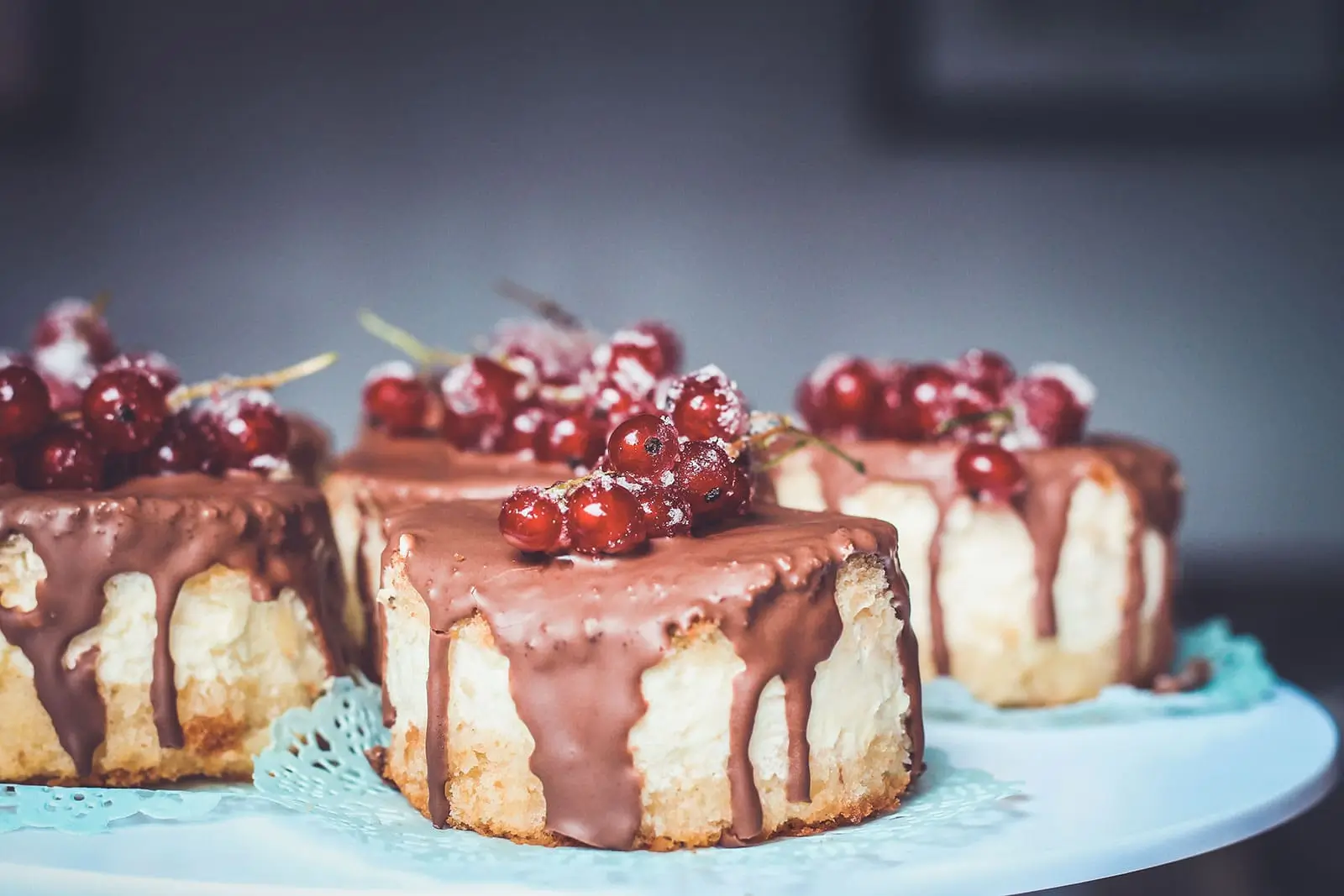
- Drip Cake Trend
- Gilded Finishes
- Texture Contrast
The most practical implication for studios is that these patterns must scale from home kitchens to commercial bakeries, maintaining visual fidelity while adapting to different pan sizes, equipment, delivery windows, regional preferences, and producer capabilities, all while keeping the workflow efficient and the finish reproducible under varying lighting conditions.
With rising demand for customization, chefs couple these aesthetics with flavor-forward fillings, seasonal toppings, and messaging elements—such as initials, dates, or motifs—ensuring that the cake is memorable in taste, texture, color, and form, while remaining practical for assembly, transport, and post-event service.
Emerging Innovations
The next wave of innovations in cake design transcends surface decoration by integrating structural thinking with creative storytelling, enabling sculptural, multi-tiered creations that remain reliable in production environments and adaptable to both small celebration kitchens and large-scale studios.
New techniques are expanding capability, from 3D-printed toppers and latticed supports to edible foams that hold shape with moisture, laser-cut templates that ensure consistency, and modular tier systems that adapt to changing client needs.
In materials science, designers are exploring safer metallic finishes, edible gold leaf alternatives, sugar-brick textures that behave like sculpture, and edible inks or airbrushing techniques that deliver nuanced gradients while preserving flavor integrity.
Flavour and aroma are treated as core design inputs, with collaborations between pastry chefs and flavor scientists to craft novel profiles—botanical infusions, savory hints, and regional ingredients that harmonize with the cake’s aesthetic.
Sustainability shapes choices in ingredients, packaging, transport, and display, encouraging recyclable supports, reusable components, and minimized waste while still delivering a high-impact experience for guests and photographers.
Tech-enabled services, including design visualization, client portals for color and texture approvals, and production checklists, help translate bold concepts from sketch to serviceable cake, ensuring consistency across orders and smoother collaboration.
Artificial intelligence and data-driven insights increasingly guide flavor pairings, color decisions, and demand forecasting, empowering studios to tailor portfolios to regional tastes while reducing waste and accelerating decision-making.
Open-source libraries and design frameworks help share ideas across studios, democratizing access to high-end techniques for smaller bakeries while encouraging experimentation with cross-disciplinary collaborations.
Event platforms and social media trends accelerate adoption of daring concepts, but established brands balance novelty with reliability by documenting processes, testing flavors, and refining execution to ensure repeatable success.
As research and art converge, the industry will continue layering techniques—kinetic installations, texture-mapped surfaces, and hybrid media—so that future cakes look as dynamic in person as they read in images.
These advances will require ongoing investment in equipment, staff training, and quality control, but they promise richer storytelling options and differentiated experiences that help brands stand out in crowded markets.
Regional and Cultural Influences
Regional and cultural influences shape not only cake flavors but also aesthetics, as celebrations encode local palate preferences, seasonal ingredients, and symbolic color schemes that designers translate into form, texture, and decoration.
In Asia, for example, delicate textures inspired by rice flour, red-and-gold motifs, and blossom patterns reflect auspicious symbolism and celebratory rituals, while in the Middle East, ornate piping, intricate lattice work, and citrus-forward flavors echo hospitality and warmth.
In Europe, the trend leans toward restrained elegance, with minimalist sculpted forms, botanical motifs, and pastel palettes that nod to couture pastry houses while incorporating regional fruit, nuts, and dairy traditions.
Global brands increasingly curate cross-cultural menus, blending techniques such as edible flower work, hand-painting, and geometric textures with local ingredients to create narratives that honor heritage while appealing to diverse clientele.
Even the display and service concepts adapt, with regional display ideas guiding how cakes are photographed, presented, and transported, influencing stand designs, lighting choices, and the overall storytelling arc of a celebration.
Chefs increasingly seek collaboration with local growers and foragers, translating terroir into components such as fruit glazes, nut pralines, and flower essences that reinforce regional identity while keeping production feasible.
Educators and consultants help standardize regional motifs into scalable templates, enabling smaller studios to deliver authentic regional expressions without over-reliance on imported ingredients or specialized equipment.
Traveling exhibitions and pop-up events further accelerate cross-pollination, allowing designers to test ideas with diverse audiences and refine cultural signals to ensure respectful, accurate representation.
As communities continue to blend, cake artistry becomes a language for shared celebration, weaving memory, place, and taste into edible sculptures that tell a story beyond the single slice.
Educators emphasize cultural humility, urging designers to research symbols, avoid stereotypes, and seek authentic voices from communities when translating traditions into cake form, ensuring that celebration remains respectful and meaningful.
Ultimately, regional influences enrich the global repertoire by offering a spectrum of aesthetics and flavors, reinforcing the idea that contemporary cake design thrives on diverse narratives as much as on technique.
Competitive Landscape and Market Positioning
The competitive landscape in modern cake design hinges on how studios articulate their unique value through craft depth, service breadth, and price transparency, while demonstrating reliability across orders of varying size, timelines, and logistical constraints, and on how effectively they translate a distinctive aesthetic into repeatable production practices that perform under pressure, maintain flavor integrity, and satisfy both the eye and the palate of clients with diverse cultural backgrounds.
A growing divide exists between luxury specialists offering bespoke sculptures and mid-market studios delivering scalable, repeatable signatures, and buyers gravitate toward partners who pair distinctive aesthetics with practical delivery, transparent pricing, clear project milestones, and robust post-event support, because today’s clients increasingly compare not only final results but also onboarding experience, documentation, and the ability to adapt design choices in real time as guest counts, venues, and seasonal menus evolve.
| Designer | Focus/Niche | Price Tier | Notable Strength |
|---|---|---|---|
| Cake Delic Studio | Contemporary couture and sculptural pieces | Luxury | Custom narrative-driven designs |
| NeoLayer Bakery | Geometric patterns and architectural tiers | Mid-High | Precision construction and scalable models |
| Bloom & Butter | Edible florals and garden palettes | Mid | Fresh floral realism and scent pairing |
| Drip & Design Co. | Drip cakes and watercolor effects | Mid | Vibrant finishes and quick turnaround |
| Classic Couture | Timeless wedding cakes with elegant draping | Luxury | Heritage-inspired detailing and flawless finishing |
| Minimalist Forms | Understated sculpted shapes and clean lines | Mid | Efficient production and flexible color palettes |
This table illustrates how differentiation often rests on a combination of niche focus and price positioning, guiding buyers toward partners aligned with event scale and aesthetic goals, while the market continuously rewards documentation that proves capability and a track record of delivering consistent quality under tight deadlines.
As consumer expectations evolve, designers who communicate measurable value—clear deliverables, reliable timelines, transparent pricing, and consistent performance across volumes—gain trust, earn referrals, and secure space in crowded portfolios by offering confidence alongside creativity.
Features and Specifications: Materials, Techniques, and Customization Options
Exploring the core materials, methods, and customization options used in contemporary cake design, this section highlights how choice of medium influences texture, flavor, and presentation. You will see practical comparisons of fondant and buttercream finishes, and how structural decisions enable bold, intricate designs. We also examine the role of sustainable practices and edible innovations shaping modern trends. By understanding materials and techniques, bakers can tailor cakes to client visions and event themes. This overview sets the stage for personalized experiences through customization while maintaining manufacturability and serviceability across different production contexts.
Fondant vs. Buttercream: Materials and Finish
The choice between fondant and buttercream affects not only appearance but also how the cake travels and holds up to service.
The following table contrasts their materials, finishes, and practical implications to help designers decide which approach suits a given concept.
| Material | Finish | Coverage | Application | Notes |
|---|---|---|---|---|
| Fondant | Smooth matte finish; can be polished to a subtle glaze | Full coverage of the cake surface | Rolled and draped over the cake after a crumb coat | Pros: ultra clean lines; Cons: can feel sweet |
| Buttercream (American) | Matte to slight sheen; often velvety finish | Surface coverage from edge to edge | Crumb coated, then smoothed or piped for texture | Pros: quick, versatile; Cons: can show imperfections if not smoothed |
| Buttercream (Swiss/Meringue) | Silky, exceptionally smooth; light sheen | Typically covers entire sides and top | Applied with spatula and careful smoothing | Pros: delicate texture; Cons: requires high skill |
| Decorative Alternatives | Rigid finishes; holds sharp edges | Used for accents rather than full coverage | Applied as cutouts or molded pieces | Pros: holds shapes; Cons: not eaten with large elements |
Understanding these trade-offs helps designers plan for both event timing and guest experience.
Structural Techniques and Tools
Structuring a cake begins with a clear plan for weight distribution and alignment. The most common support system uses dowels or savers, placed at strategic intervals under each tier to transfer load to the base board. For taller or heavier configurations, a central dowel core or stainless steel rod can extend through the entire stack, anchored with a board beneath the top tier to prevent shift during transport. Balancing accuracy in placement reduces the risk of tipping and ensures clean, safe handling from kitchen to venue.
Dowel choices range from wooden dowels to stainless steel rods, with optional supports for non circular shapes. Bakers calculate the number, length, and spacing of supports based on the diameter, height, and content of each tier, ensuring heavy layers are not burdened by weak connections. For round cakes, evenly spaced dowels under each level provide symmetrical support; for square or sculpted designs, internal lattice frames or hidden pillars may be needed to prevent corner collapse. Crumb coats help seal the structure and improve adhesion, while a finish layer disguises the supports from view.
During assembly, stack tiers on a non slip surface, verify levelness with a spirit level or straight edge, and align edges to maintain visual balance. Use sugar or parchment separators between tiers to avoid sticking and to enable clean removal if adjustments are required during display. For elaborate showpieces, engineers may employ external supports, such as clear acrylic rods or floral supports, that can be removed after delivery to minimize risk of damage.
Finally, always plan for risk mitigation during transport: pack the cake in a purpose built carrier, use shock absorbent bases, and request minimal movement from the vehicle. Hygiene considerations include never reusing supports that have touched raw batter, securing metal components to prevent rust, and choosing food safe coatings for any contact points. By integrating these techniques and tools into the workflow, designers can realize ambitious shapes without compromising stability, serviceability, or safety.
Customization and Personalization Options
Customization enables clients to express personality and brand through cake design. The following ideas are common ways designers tailor a cake to a specific event or individual taste.
- Applying hand painted motifs with edible pigments lets cakes tell a personal story, from initials to skyline scenes, while preserving a custom artisanal feel for weddings and anniversaries.
- Edible flowers integrated into sugar petals create natural accents that align with garden parties, seasonal flavors, and rustic to luxe themes, while remaining fully edible.
- Incorporating client names, dates, or short messages on tiers adds a bespoke dimension, often paired with color stories and fonts chosen to match branding or event mood.
- Custom flavor profiles and fillings to reflect personal tastes or themes enhance guest enjoyment, with complementary coatings and textures reinforcing the overall concept.
- Themed shapes, monograms, and tier arrangements help tell a narrative and create a focal moment for photos, speeches, and cake cutting.
- Color storytelling through palettes and accents matches branding and event decor, using edible dusts, paints, and metallics for a cohesive look.
- Texture and surface manipulation such as lace embossing, rosettes, or brush stroke finishes adds depth while maintaining structural integrity and ease of eating.
With careful planning, these personalization methods can be combined to create a cohesive and memorable centerpiece.
Sustainable and Edible Innovation
Sustainable and edible innovation reshapes design and delivery with responsibility. Designers are selecting plant based colorants, natural gums, and sugar pastes from responsibly sourced ingredients to reduce waste and extend shelf life. Edible inks and wafer sheets enable high resolution images while avoiding disposable packaging needs. Garden fresh ingredients and seasonal flavors influence concept development and client expectations, linking unique cake concepts with Trendy Cake Presentation and Contemporary Cake Embellishments.
Contemporary cake embellishments and artistic cake sculpting have opened doors for 3D forms, micro details, and bold color palettes. This approach supports innovative cake flavors and customized cake designs while maintaining practical structural considerations. Modern cake display ideas help narrate a story that resonates with branding and event mood, while creative cake layering techniques enhance depth and visual rhythm. Futuristic cake decorating is increasingly accessible through digital design tools and edible fixtures that can be integrated into live showcases.
In practice, bakers blend these advances to produce distinctive experiences that photograph well, travel safely, and delight guests, while keeping sustainability at the core of the project. The result is a collaborative process that respects budgets and timelines while expanding the range of edible possibilities for modern celebrations.
Benefits and Performance: Aesthetic Impact, Durability, and Support
This section explores how cake design shapes perception, resilience, and practical execution for contemporary bakers and event planners. By examining aesthetic impact, durability in transit, and structural support, we can align artistry with reliability. Each dimension informs decision making from concept to display, ensuring that beauty does not come at the expense of freshness or transportability. Understanding these interdependencies helps brands communicate value, justify costs, and deliver memorable experiences across platforms and venues.
Aesthetic and Emotional Impact
Design choices on the surface of a cake do more than decorate; they prime emotions and shape memory. When a cake reads as cohesive, confident, and well executed, it communicates care and intention to the viewer even before the first bite. Subtle cues such as a restrained color palette and clean edges can convey sophistication, while bold contrasts and imaginative textures invite curiosity and play. The choice of shape, how space is used on the cake’s exterior, and the rhythm created by repeating motifs all contribute to a narrative arc that audiences can read at a glance. In social media settings, first impressions become lasting impressions, aligning the cake with a brand’s tone or the celebratory mood of an event.
Color psychology plays a central role in how a cake feels to the audience. Muted, monochrome schemes can evoke elegance and restraint, whereas saturated hues energize a scene and signal festivity or drama. The geometry of the design—whether tight symmetry, dynamic asymmetry, or generous negative space—guides the eye and sets expectations for how the flavors might unfold. Texture selections, from a velvety buttercream to a crisp fondant surface or a watercolor edible paint effect, communicate tactile cues that readers connect with through memory and mood. These surface conversations extend to photography and display, reinforcing the narrative you want guests to remember long after the event ends.
Textures and finishes offer a vocabulary that compliments or contrasts with flavors. A satin fondant can read as luxe and precise, while a matte buttercream with a whispered shimmer may feel handmade and intimate. Edible metallics or hand-painted details inject artistry without overpowering the cake’s form. Minimalist designs with generous negative space can convey modernity and poise, while intricate, hand-drawn motifs invite closer inspection and a sense of craftsmanship. The emotional resonance grows when the design aligns with the event’s theme, cultural significance, or brand story, turning dessert into a storytelling device rather than mere sweetness.
Shape language matters as well. Circular, layered, or sculptural terms carve out different emotional journeys. A tiered silhouette can imply tradition and ceremony, whereas a sculpted piece can feel daring and futuristic. As clients consider trends such as abstract cake designs or hand-painted cake art, they should think about what the cake communicates on arrival, in photos, and in person. Well-chosen aesthetics create expectations about texture, frosting, and flavor that guests remember as part of the experience rather than only as a visual spectacle. When design signals quality, it elevates both perceived value and guest satisfaction.
Beyond the plate, the cake’s surface interacts with the room’s lighting and the viewer’s vantage point. Edible inscribing that glints under chandeliers, or a watercolor wash that catches light on one side, can create a sense of depth and movement. Designers think about how the cake will look from multiple angles, including close-ups on smartphones. This perspective shifts decisions about scale, contrast, and assurance of color integrity. In practice, bakers often test under varied lighting and with different photography distances to ensure the final product reads as intended in every context. The goal is to enchant without sacrificing readability or balance.
Finally, customization respects the client’s story while preserving universal appeal. The strongest designs offer a bridge between personal symbolism and broad beauty, so that the cake communicates to both event participants and online audiences. When tailoring weddings, anniversaries, or corporate celebrations, designers blend brand colors with seasonally resonant tones, infusing motifs that hint at the client’s journey. By treating every edible ornament as a deliberate choice rather than a decorative afterthought, cake artists reinforce trust, encourage social sharing, and position their craft as a meaningful art form rather than a mere dessert.
Durability and Transportability
Durability in transit begins with the base structure and the choice of packaging. A cake designed with transport in mind uses sturdy doweling, rigid cake boards, and a balance between weight and stability. Layered bases should align cleanly, and fillings should resist shifting during movement. A secure outer shell—whether fondant that seals edges or a sugar-slick glaze—helps prevent surface damage. For intricate toppers or delicate sugar flowers, protective supports and careful attachment points are essential so they stay intact from kitchen to celebration venue. In practice, bakers test cartons for fit, reheating tolerances, and stacking configurations to anticipate real-world conditions.
During storage and transit, temperature and humidity can be as decisive as the bake itself. Buttercream that is too soft risks sagging under weight; ganache can shift with temperature swings; cream cheese frosting may soften in warm rooms. To mitigate this, practitioners often refrigerate or cool the cake briefly before loading, use insulated carriers, and monitor ambient conditions at venues. Crumb coats added before transport act as an extra shield against moisture and minor bumps. When the cake travels, avoid overloading the vehicle with vibration-prone turns or rapid accelerations. A well-padded crate and a level, dry stand create a calm pathway from bakery to table.
Design choices also influence how well a cake withstands handling. Fondant surfaces tend to travel sturdily but require careful support for tall tiers; buttercream textures, though lush, can be more susceptible to scuffing if exposed. The use of internal supports, such as dowels or corner posts, distributes weight evenly and reduces the risk of collapse. Clear labeling for assembly teams, and a simple sequence for taking apart and restacking, minimize mistakes that could compromise stability. When possible, keep toppers, sugar florals, and delicate embellishments separate until the last possible moment, then attach with secure, non-slip methods to preserve appearance through service and slicing.
In addition to physical robustness, planners factor in the cake’s presentation timeline. Time between prep, transport, display, and cutting affects texture and moisture as the day unfolds. Shorter windows between refrigeration and service generally yield crisper crusts and cleaner edges. For venues with long setup times, designers consider weatherproof cases and climate control to preserve color, sheen, and aroma. Clear communication with caterers and venue staff becomes a cornerstone of durability: everyone understands when to handle the cake, how to move it, and where to place it for optimal support. A resilient design reduces stress for hosts while preserving the intended moment of reveal.
Structural Support and Shelf Life
Structural support begins with internal geometry that matches the cake’s concept. Bakers decide whether to stack using dowels, plates, or hidden columns, and whether to incorporate a core rod for ultra-tall builds. The aim is to create a rigid skeleton that keeps flavors in place and surfaces pristine. Proper alignment ensures that edges remain sharp when slicing and that decorative elements sit flush against frosting rather than perched awkwardly. The choice of board size, base diameter, and cake height influences weight distribution and reduces the risk of tilt or wobble during service. A well-planned frame translates artistic ambition into reliable function.
Shelf life and freshness hinge on a careful balance of moisture, acidity, and temperature. Perishable fillings such as fresh fruit, creams, or mousses shorten the window of optimal eating quality, so designs often pair these with stabilized bases, layers that keep moisture in check, or protective coatings. The frosting type matters: a stable buttercream or ganache often outperforms whipped icings in extended display; fondant can seal in moisture but may dull color intensity over time if conditions are harsh. Temperature control during display preserves texture, aroma, and appearance, while delivery timelines help ensure the cake tastes as intended at the moment of consumption.
Expiration and food safety considerations intersect with aesthetics. When a cake features long-lasting decorations—edible prints, sugar work, or hand-painted details—bakers plan for durability without sacrificing the slice’s visual appeal. Fresh elements may be reserved for the final moments of service or implemented as separate, pre-cut cakes to maintain a pristine front. Conversely, completely edible, stable surfaces enable more elaborate designs that still stay pristine for the full display period. The strategy is to align design complexity with practical shelf life, ensuring guests experience both beauty and flavor at their peak.
Finally, storage and display logistics influence how a cake performs over time. Clear labeling of flavors, cuts, and dietary notes helps service teams manage portions efficiently. Slicing guides and pre-cut portions can maintain clean lines and prevent frosting from drying out near edges. If a cake remains on display for hours, protective wrappers or tenting help prevent contamination while allowing the cake’s color and texture to remain vivid. The most effective structural plans anticipate these moments, enabling the cake to arrive in its intended condition and to hold its shape as guests interact with it from first look to last bite.
Pricing, Packages, and Limited-Time Offers
Pricing in cake design blends art, craft, and logistics, balancing bespoke creativity with transparent, repeatable processes that respect both client budgets and the time invested in design work. You will see a range of models from fixed package pricing to variable designs driven by size, complexity, flavors, and decorative techniques such as abstract cake designs, geometric patterns, watercolor finishes, and hand-painted art. Understanding price drivers helps clients evaluate value, including base cake costs, labor intensity, travel and setup, specialized decorations like edible flower cakes, drip finishes, textured buttercream, and the premium placed on contemporary trends. Beyond base price, limited-time offers and seasonal promotions create opportunities to explore trend-forward options while maintaining quality, consistency, and reliable production timelines for events. This overview previews how pricing, packages, and promotions align with modern cake trends—minimalist decorating, naked cake styles, and bold color palettes—delivering memorable experiences with creative presentation.
Pricing Models and Price Drivers
Pricing models in cake design commonly fall into fixed packages, tiered per-serving pricing, and design fees that cover concept development, tastings, and revisions. Each approach has its context: fixed packages provide predictability for clients planning events, while per-serving models scale with guest counts and menu choices, and design fees compensate for the specialist time required to craft unique visuals such as hand-painted motifs or elaborate texture work.
Key price drivers include cake size and servings, flavor profile complexity, and the number of design elements required. Cakes featuring abstract designs, geometric patterns, watercolor finishes, or minimalist decorating command higher fees due to experimentation, precision tooling, and extended bake and decoration times. Additional drivers are the choice of buttercream versus fondant, the use of edible flowers, fresh florals, travel, setup, rental stands, and assembly time that contribute to the final total.
Understanding these factors helps clients compare quotes fairly. Ask for a breakdown: base cake price, design surcharge, tastings, delivery, setup, and any rush or holiday surcharges. Transparent communication builds trust and reduces surprises during event planning.
Seasonal promotions and special campaigns can be aligned with specific design themes or techniques, enabling flexibility in pricing while maintaining the integrity of the cake’s artistry. When a client requests signature looks—such as abstract motifs, geometric patterns, watercolor accents, or bold edible decorations—the designer should map how those elements influence labor and material costs and how any discounts or bundles would apply to the overall project.
Package Types and Add-ons
Most cake studios structure offers around core packages designed to scale with event size, venue requirements, and design complexity. A baseline Essential package covers a standard two- or three-tier cake with basic decoration, reliable delivery, and standard support. The Classic package adds more generous servings, refined surface decorating, and tastings, while the Premium package includes hand-painting, intricate textures, and premium flavors, plus extended consultations and on-site support. Each package is designed to provide predictable budgeting while leaving room for customization.
Add-ons are optional extras that tailor the experience: dessert tables, coordinating treats, edible toppers, fresh or sugar flowers, and coordinated packaging. Delivery and setup services, cake boards, display stands, and on-site carving or cutting services are often bundled or priced separately. The goal is to provide flexibility for clients to choose the right combination of aesthetics, flavor, and service within a clear price structure.
When selecting a package, clients should consider whether tastings are included, how many design revisions are allowed, the lead times required for production, and the level of coordination with the venue or photographer to ensure a seamless presentation on event day.
Seasonal Promotions and Limited-Time Offers
Seasonal promotions are a core strategy for keeping cake offerings dynamic and relevant, allowing bakeries to showcase trend-forward techniques such as abstract designs, geometric patterns, watercolor accents, and minimalist decorating while maintaining profitability through curated bundles, limited-edition flavors, and coordinated packaging that encourages impulse purchases and social sharing. Additionally, these campaigns allow bakers to experiment with new textures, flavors, and decoration techniques—such as geometric patterns, watercolor accents, edible flowers, and hand-painted details—without committing to a long-term price revision, enabling experimentation while preserving margins.
- Holiday-inspired bundles offer limited-edition cake sets that celebrate major occasions, featuring seasonal flavors, edible glitter, and coordinated packaging to boost gift appeal and social sharing.
- Early-bird promotions discount custom cakes booked weeks in advance, encouraging planning for events while preserving craftsmanship and enabling designers to manage schedules more efficiently.
- Bundle offers combine cake, dessert table elements, and coordinating treats at a fixed price to deliver value and cohesive presentation across flavors, textures, and visual themes.
- Limited-edition flavor shifts rotate monthly, paired with complementary decor changes like edible flowers and hand-painted accents to create anticipation and repeat customer engagement.
- Collaborative campaigns with venues or photographers offer exclusive cake concepts for weddings or events, including venue-specific color palettes, texture themes, and on-site tasting experiences.
These promotions are designed to drive excitement while maintaining quality. Customers should compare promotions not only by price but by inclusions such as tastings, lead times, delivery, and timing compatibility with event dates. Clear terms help manage expectations and protect both client and bakery when introducing seasonal flavor shifts and limited runs.
How to Choose Value-for-Money Options
Value-for-money in cake design hinges on understanding what is included, the quality of materials, and the effort required to achieve the look. A lower base price may come with fewer tastings or simpler decoration, while a higher price typically reflects more comprehensive design work, premium ingredients, and extended support throughout planning and event execution. The best value blends artistry with practical feasibility, ensuring the cake aligns with the event’s theme without compromising flavor or service.
Start by listing your event requirements: guest count, flavor preferences, decoration style (abstract, geometric, watercolor, minimalist, edible flowers), timeline, and venue constraints. Then request a detailed quote that breaks down base price, design fees, tastings, delivery, setup, and any rush or holiday surcharges. Look for transparency in what is included and ask about possible upgrades or downgrades to fit your budget while preserving the core concept.
Evaluate price per serving alongside the decorative effort; a higher upfront design fee can be justified when it yields a more efficient production process and a more striking, on-theme display. Also consider non-monetary value such as tastings, collaboration with photographers or venues, and post-event cleanup. Finally, confirm delivery windows, setup requirements, and any special handling needs to ensure the cake arrives and is presented exactly as envisioned.