
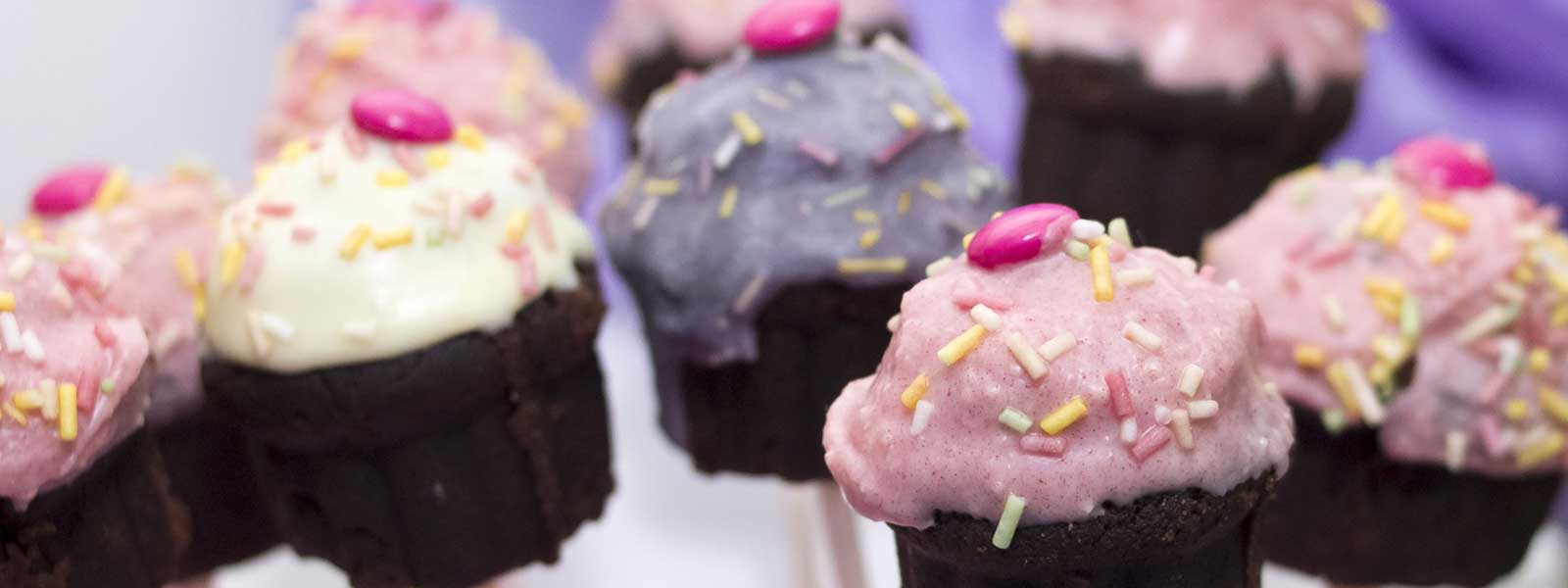
Dessert Presentation Ideas – Styling and Plating for Impact
Dessert presentation sets the mood for every bite, turning simple sweets into visual storytelling with deliberate plating and styling. In this guide, you’ll discover dessert plating ideas, plating techniques for desserts, and practical tips for an elegant dessert display that elevates flavor as much as appearance. Explore creative dessert styling ideas that balance color, texture, and geometry for maximum impact. We’ll cover garnishing desserts, modern dessert plating approaches, and dessert serving suggestions that work across a range of occasions. Whether you’re plating at home or designing for a café menu, these techniques help you craft artistic dessert presentation that inspires conversation.
Fundamental Styling Principles
Effective styling starts with a clear plan. Consider components, balance, and the story you want to tell with each dessert.
- Choose a focal point and build the plate around a single, prominent element to guide the viewer’s eye and create a cohesive narrative.
- Establish balance with scale and space, placing larger components opposite smaller accents to prevent crowding while preserving a sense of calm and flow.
- Create texture contrasts by combining smooth elements, crisp edges, and soft surfaces, inviting the senses to explore via touch, bite, and aroma.
- Use color strategically to emphasize key components, harmonize tones, and echo seasonal palettes without overwhelming the dessert’s natural beauty overall.
- Plan for height and layering, stacking or elevating elements using props or stands to create dynamic silhouettes that read beautifully from any angle.
Apply these principles across plating, garnishing, and presentation to deliver consistent, visually compelling desserts. With practice, these steps become second nature on busy service days.
Plate Composition Techniques
Plate composition techniques revolve around how elements fit together on a dish, how the eye travels across the plate, and how the dessert communicates its story at a glance. Start with a clear focal point, such as a glossy quenelle of sorbet or a sculpted cake slice, and arrange supporting components to echo or contrast that center. Use grids or the rule of thirds to place anchors away from the exact center, creating tension and interest while remaining readable at a glance. Establish a baseline using a uniform edge or line across the plate, then vary components slightly in height and shape to add dimension without chaos. Consider the plate itself as part of the composition; a white porcelain dish with a matte rim can frame a glossy glaze, while a dark plate can make pale creams pop. Build gentle symmetry for formal presentations, or deliberate asymmetry for contemporary menus, ensuring that nothing feels crowded and every element has space to breathe. Align edges where possible to create a cohesive block of design, but allow soft curves to soften the visual weight. Layer flavors conceptually as well as physically: place a sauce trail, a crisp element, and a creamy center so the bite sequence reads clearly. Finally, think about the plate’s negative space as a design tool: a small, empty corner can highlight the hero component and avoid overkill.
Color, Texture, and Contrast
Color, texture, and contrast are the spice of visually appealing desserts. Begin with a deliberate color plan that reinforces the hero element—e.g., deep chocolate against pale vanilla, or a splash of Citrus against a neutral plate. Pair textures to invite multiple senses: a glossy glaze with a soft center, a crisp tuile with a creamy center, and a delicate mousse alongside a crunchy crumble. Contrast should be purposeful: a smooth surface next to a tactile crumble, or a matte finish paired with a high-gloss glaze, so the eye perceives layers of detail. Consider temperature as a visual cue too; a cold sorbet or ice shard can juxtapose warm caramel or toasted sugar for dynamic reading. When combining colors, favor harmony over chaos; too many bold hues can compete for attention and obscure the dessert’s form. Textural variation should read as a choreography on the plate, with finishes that include gloss, matte, micro-sprinkles, or sugar crystals to suggest bite and sparkle. Use edible accents such as micro herbs, citrus zest, edible flowers, or caramel threads to introduce subtle color without overpowering the main component. Finally, study how light interacts with each element; a gentle glaze catch or a hint of sparkle can add depth that rewards a closer look. Pairing these observations with a standardized plating protocol helps maintain consistency across multiple desserts.
Common Mistakes and Fixes
Common mistakes and fixes: overcrowding a plate makes elements compete for attention; fix by removing nonessential components or shifting them to negative space. Poor balance between height and flatness can flatten the composition; fix by adding a vertical element or reorienting the hero to a more dynamic angle. Clashing color schemes or too many similar tones dull the impact; fix by simplifying the palette and using one or two accent colors. Inconsistent portion sizes break visual rhythm; fix by standardizing spoonfuls and using molds or cutters for uniform shapes. Sauces that smear or pool can look unfinished; fix by practicing deliberate drizzles and using a squeeze bottle with a precise route. Textural inconsistencies, such as a soggy base or chalky crumb, diminish appeal; fix by crisping components and ensuring freshness. Finally, plate choice matters; fix by testing on multiple dish sizes and shapes to ensure the hero reads clearly on every plate.
Core Features and Benefits of the Dessert Plating Service
From minimalist elegance to bold, textural displays, dessert plating can elevate any dessert into a memorable centerpiece. The Dessert Plating Service guides you through styling and plating techniques that boost visual appeal while preserving flavor and texture. You will learn to balance color, height, and negative space, and to select garnishes and sauces that enhance rather than overwhelm. Whether you bake for a dinner party, a boutique cafe, or a competition, the service translates ideas into actionable plating plans, step-by-step checklists, and practical visuals.
Service Overview
The Dessert Plating Service offers a comprehensive approach to turning baked goods into visually compelling experiences. It begins with an assessment of your desserts, workspace, equipment, and brand goals, then builds a tailored plan that aligns technique with taste. Clients receive mood boards, plating templates, and practical step-by-step instructions that translate ideas into repeatable results. The service covers color theory, height management, texture balancing, and the careful placement of components so the plate reads clearly from a distance and rewards closer inspection. You’ll learn how to select plateware, create intentional negative space, and position sauces and garnishes to enhance flavor without overwhelming sweetness. Guidance extends to edible accents, drizzles, and glaze techniques that complement the dessert’s character. The process is designed for both home kitchens and professional studios, with scalable guidelines that fit time, budget, and volume. Deliverables include a plating checklist, a visual storyboard, and an annotated gallery of reference plates for inspiration. The goal is a cohesive plating strategy that supports the dessert’s narrative, increases perceived value, and translates to photograph-ready results. Throughout, the service emphasizes practicality: clear measurements, sourcing ideas, and troubleshooting tips for common plating challenges. By the end, bakers and pastry chefs have a ready-to-execute plan that improves consistency, speeds up service, and elevates how desserts are perceived in photos and on the table. Remote or on-site sessions can be scheduled to fit busy calendars, with a pilot round to verify feasibility, and optional revisions to align with seasonal ingredients and dietary considerations.
Key Features for Visual Impact
Below is a structured look at the core features and how they translate into visual results for home bakers and professional kitchens. The aim is to show how each feature supports speed, consistency, and striking plates that photograph well. By understanding the practical benefits, you can prioritize which elements to adopt first based on your workflow and audience.
| Feature | Home Bakers | Professional Kitchens | Visual Impact Benefit |
|---|---|---|---|
| Plating templates and layouts | Simple, repeatable patterns that work in home ovens and small counters | Complex builds requiring multi-component coordination and precise timing | Consistent, gallery-ready plates that translate across lighting and cameras |
| Garnish and texture guidance | Accessible garnishes, budget-friendly and easy to standardize across menus | Edible accents with premium ingredients and cross-checks for waste | Enhanced texture contrast and color pop in every plate |
| Tool and equipment recommendations | Everyday utensils and minimal setup to speed service | Specialty tools for precision and repeatability in busy periods | Cleaner lines and elevated presentation with consistent results |
| Sauce drizzling and negative space use | Simple drizzles, mindful spacing, and quick cleanup | Intricate drizzles and geometric placements under time pressure | Artistic balance and focal points that guide the eye |
| Color theory and seasonality | Seasonal palettes on a budget with adaptable combinations | Bold contrasts with refined palettes that reinforce branding | Eye-catching, magazine-worthy look that supports storytelling |
These outcomes are relevant across dessert types, whether you’re constructing simple cupcake displays or assembling multi-component plated desserts for tasting menus. By framing features in terms of visual impact, you can prioritize changes that deliver the biggest gains in photos, service speed, and guest perception.
Benefits for Home Bakers and Professionals
The benefits of the Dessert Plating Service are directly applicable to two primary audiences: home bakers who want to elevate everyday desserts and professionals who need scalable, consistent presentation across a menu or venue. Home bakers gain confidence through repeatable layouts, affordable garnish ideas, and plating templates that translate a simple bake into a visual story for social media or family celebrations. The service helps you maximize impact with minimal extra steps, enabling faster plate setup, less guesswork, and better photos in natural light or studio lighting.
Professionals benefit from systematic approaches that speed up service during peak hours while preserving brand integrity. The templates and guidelines support team training, cross-staff consistency, and the ability to reproduce a signature look across dozens of plates each service. By pairing plating decisions with plateware suggestions, sauces, and edible accents, the service helps kitchens manage waste, standardize color palettes, and create a recognizable dessert language that supports marketing and menu design.
For catering and events, the service translates into clear workflows, pre-portioning strategies, and scalable visual templates that adapt to different dessert types and portion sizes. For home cooks, the same foundation translates into weekend projects, bake sales, and dinner-party showpieces—where the right balance of height, texture, and color can turn a dessert into a celebration. In all cases, the focus remains on practical, recipe-friendly guidance that preserves flavor while enhancing the eater’s experience.
Case Studies and Before/After Examples
Case studies illustrate measurable visual improvements achieved with the Dessert Plating Service. Case Study A: Home baker Luna transformed a tray of plain vanilla cupcakes into a cohesive mini-dessert display. Before: cupcakes sat flat on plain white plates with little variation in height or color. After: a tiered arrangement with varied heights, a light drizzle glaze, micro-berries, and edible flowers created a focal point; social posts showing the before/after earned markedly higher engagement, with a roughly 45–60% increase in likes and comments and faster order uptake from local clients. Time to plate reduced by about 25% as templates were adopted.
Case Study B: A cafe redesigned its dessert plate lineup to reflect a signature branding palette. Before: mismatched plates and random component placement created a sense of chaos on the pass. After: a unified plating language with consistent spacing, a restrained drizzle, and a color palette tied to the brand. The changes reduced plating time by around 20% and lifted guest satisfaction scores by a double-digit percentage, while demand for the tasting menu grew.
These examples demonstrate how a structured plating system can deliver tangible outcomes in photographs, service speed, and guest perception.
Specifications, Materials, and Service Options
This section introduces the essential specifications, materials, and service options that underpin polished dessert presentation. By detailing equipment, plateware, finishes, and customization, we help you achieve consistent, visually striking plates across events and menus. The aim is to balance aesthetics with practicality, ensuring textures, colors, and garnishes work together without compromising flavor or service flow. We cover sourcing guidance, durability considerations, and how service packages can be tailored to different concepts, seasons, and budgets. Use these guidelines to plan plating strategies that enhance the dining experience from the first glance to the final bite.
Plating Tools and Equipment
To equip your workstation for refined plating, assemble the following essential tools.
- Fine-tipped tongs, long enough to place delicate components without touching other elements, allowing clean, precise arrangement during plating and ensuring plates stay pristine.
- Artist sketch brushes or small spatulas for smooth sauces and clean edges, letting you apply drizzles, creams, and glazes with controlled thickness and clear, photo-ready lines.
- Microplane or zester for citrus zest and fine shavings to introduce aroma and color, instantly elevating the perceived freshness and brightness of plated desserts.
- A set of ring molds or small cutters to shape mousse, ganache, or fruit components consistently, ensuring clean edges and uniform portions across multiple plates.
- A small heat gun or culinary torch for delicate caramelization and to add color contrasts, enabling dramatic textures without compromising the dessert’s structure.
These tools enable precise placement and clean finishes. Consistent practice and thoughtful setup speed service while maintaining high plating quality.
Recommended Plateware and Textures
Plateware plays a quiet yet crucial role in dessert storytelling. A white porcelain or ivory ceramic plate provides a clean canvas that lets colors, shapes, and textures take center stage, and it photographs well under most lighting setups. For a contemporary or minimal aesthetic, opt for matte finishes on stoneware or porcelain; these surfaces absorb glare and pair nicely with delicate sauces and mirrors without overpowering the dish. If you want a more theatrical effect, a charcoal or black plate can intensify vibrant fruit tones, creating a strong focal point. Rim width matters: a narrow rim keeps the focus on the dessert, while a wider rim creates generous negative space that frames the plate like a gallery piece. Plate shape also matters; round plates are versatile, but rectangular, square, or softly curved shapes can guide the eye along a line of components and highlight layering. Texture in plateware adds depth without competing with the dessert; lightly textured stoneware, satin glazes, or ribbed surfaces can echo natural ingredients such as cacao nibs or citrus zest. When pairing plateware with the dessert’s textures, consider how light reflects off glossy finishes versus matte ones and how moisture from sauces will interact with the plate’s surface. Durability is another practical consideration: choose dishwasher-safe, chip-resistant options for busy service, and consider stacking and transport requirements for catering. Finally, plan for consistency across a menu or service concept by selecting a cohesive set of plate shapes and finishes that can accommodate a range of components while maintaining a unified look. For seasonal or thematic menus, incorporate subtle accents such as colored rims or textures inspired by the dessert ingredients, but avoid overwhelming the plate with competing elements. A small rotation of plateware can refresh the visual narrative without demanding a full rework of recipes or garnishes. In practice, test plating on the actual service plates with the intended lighting to verify color balance and legibility of components before committing to a large batch.
Ingredient Finishes and Garnishes
Finishes and garnishes are the final brushstrokes that transform a composed plate into a story. Start with temperature and texture contrasts: a warm element could be paired with a cool sauce; a crisp tuile with a soft center; a silky ganache alongside a crunchy crumble. Edible flowers and micro herbs add color and aroma; choose varieties that complement the season and the dessert’s flavor profile. Citrus zests, edible dusts, and cocoa powders create accents that pop visually while adding a whisper of fragrance. Drizzles and swirl patterns should be deliberate, balancing flow with negative space so garnishes appear intentional rather than random. Consider small accents like candied peel, sesame seeds, caramel shards, or crushed nuts to introduce crunch and sparkle. If you work with edible gold leaf or silver dust, apply sparingly to maintain elegance and avoid overpowering the dessert’s core flavors. Textural contrasts matter as much as color: a glossy sauce against a matte base, or a delicate brittle forming a crisp crown on top. Seasonal ingredients like lavender, rosemary, or thyme sprigs can introduce herbaceous aroma while tying a dessert to a broader menu theme. When using edible flowers, ensure they are pesticide-free and properly sourced for both safety and aesthetics. Finally, balance is key: garnishes should elevate the dish without stealing focus from the central components, and placement should reflect the dish’s geometry and the service context. Edible flowers in dessert styling bring whimsy and luxury when chosen to harmonize with the flavor profile. A touch of microgreens or a tiny herb sprig can spark aroma and color without overwhelming the plate.)
Service Options and Customizations
Service options and customizations are designed to scale with concept size and budget. Bronze package provides baseline concept development and mood board creation, plus plating templates for up to 20 desserts and one on-site styling day to align kitchen and service staff. Silver package includes full plate design, up to 60 plated desserts, two hours of on-site plating support during service, and a garnishing kit with seasonal elements to refresh visuals across the menu. Gold package offers the complete solution: full concept creation, tasting session, on-site plating team for the service window, edible garnish sets, staff training, and a post-event debrief with notes for future plating improvements. All packages include clear deliverables, timelines, and coordination with the kitchen and service operations to ensure smooth execution. Optional add-ons include edible flower sourcing, specialty glaze tests, color-matching to event branding, and a dedicated plating station setup with portable lighting and backdrop to enhance presentation during service.
Pricing, Promotions, and Getting Started
Great dessert presentation goes beyond pretty plates; it also informs how you price your services and frame promotions for maximum impact. In this section, you’ll find clear pricing models and bundled options designed for varied client needs. You’ll also learn practical ways to promote your styling services, schedule consultations, and begin your first DIY projects with confidence. We’ll cover modern plating techniques, garnishing ideas, and serving suggestions that elevate every dessert on display. Whether you’re scaling a bakery studio or styling personal favorites at home, these guidelines help you communicate value and aesthetics clearly.
Pricing Models and Packages
Pricing Models and Packages are designed to align value with effort and outcomes. You typically choose from three core approaches: project-based packages that include a defined scope of styling, hourly consulting for ad-hoc guidance, and tiered bundles that combine multiple services for a complete dessert presentation strategy. Each option clearly describes deliverables such as mood boards, plating templates, step-by-step assembly guides, sourcing lists, on-site setup, and high-resolution images for portfolio use. By detailing inclusions, timelines, and post-event support, you create predictable results for clients and maintain healthy margins for your studio. Packages can be adjusted for one-off events, multi-session workshops, or ongoing retainer arrangements, enabling you to scale up as demand grows. Emphasize finishing touches like garnishing desserts, balance of textures, and thoughtful serving suggestions to demonstrate the full range of dessert plating ideas you offer.
Promotional Bundles and Seasonal Offers
Promotional bundles are designed to be turnkey, helping you showcase what’s possible without a heavy upfront investment. They are crafted to attract new clients, demonstrate your capabilities, and generate gallery-ready visuals for social media and portfolios.
Gilded Dessert Display Bundle
The Gilded Dessert Display Bundle offers premium props, backdrops, displays, and plating templates that create restaurant‑level dessert showcases in photos and on-site events. It includes a small set of adaptable props, a neutral backdrop, a versatile display stand, and printable plating guides to help you stage desserts with confidence.
Seasonal Floral Plating Bundle
The Seasonal Floral Plating Bundle provides edible flowers, herb sprigs, and color accents that elevate seasonal cheesecakes, tarts, and mousse cups. It also includes a color guide and quick-reference garnishing tips to ensure cohesive, seasonally themed presentations.
Texture and Color Enhancement Bundle
The Texture and Color Enhancement Bundle includes sauces, powders, and texture mats that help you add layers of flavor and visual contrast to plated desserts. Expect guidance on pairing textures with specific flavors for balance and impact.
Height and Structure Bundle
The Height and Structure Bundle supplies rings, stands, and piped elements that build multi‑tiered, sculptural presentations. It’s designed to photograph beautifully from all angles and to showcase dynamic plate composition.
Sauce and Drizzle Enhancement Bundle
The Sauce and Drizzle Enhancement Bundle offers glazes, coulis, and drizzle bottles that streamline finished looks across multiple servings. It helps you achieve consistent, glossy finishes with minimal setup time.
How to Book a Consultation or Workshop
Booking a consultation or workshop is straightforward and designed to fit busy schedules. Begin by selecting your desired service from our offerings—options include a one-hour styling consult, a half-day workshop, or a full-day plating masterclass. Visit the online booking page to view availability, choose your package, and select a convenient date. You’ll be asked to provide basic details about your event, venue, and any inspiration images or color palettes you already love. After you submit the form, a dedicated coordinator will review the request and respond with a tailored proposal, proposed times, and any required deposit information. Once you approve the proposal, you’ll receive a confirmation email with a checklist to prepare for the session. In the lead-up, gather mood boards, example photos, and any dietary or equipment constraints so we can fine-tune recommendations. On the day, arrive with an open brief: your goals, preferred dessert types, and a sense of the aesthetic you want to achieve. We’ll guide you through the plating process step by step, with hands-on practice, demonstrations of garnishing desserts, and tips for shooting images that highlight texture and height in your plated creations. After the session, you’ll receive a recap, a practical action plan, and access to digital resources that reinforce what you learned. For groups or corporate workshops, we offer flexible scheduling, volume discounts, and follow‑up support to ensure sustainable improvements in your dessert presentation skills.
Tips for DIY Setup and First Projects
Getting started with DIY dessert presentation doesn’t have to be expensive. Start small with a clean backdrop, plain white plates, and a simple color palette, then gradually add texture with sauces, glazes, and a few edible decorations. A practical starter shopping list includes a set of basic pastry brushes, a few piping tips, a couple of squeeze bottles, a couple of small display boards, and a neutral cake pedestal. For lighting, use natural daylight or a consistent lamp to avoid color shifts on camera. Practice plating on a single dessert with three optional toppings to learn balance of flavor and visual interest. For a beginner project, try a layered mousse cup with a glossy glaze and a few micro-herbs; this demonstrates garnish, color balance, and height variation without requiring complex equipment. As you expand, incorporate components like crisp tuile shards, a simple glass of sauce, and edible flower accents to elevate the look without overcrowding the plate. Develop a consistent plating sequence: start with a base element, add height gradually, then finish with a controlled drizzle or sprinkle of texture. Document results with a quick before-and-after photo set so you can track progress and refine your technique. Finally, design a small, portable kit you can bring to events: a compact suitcase with plates, a few props, and your favorite bottles of glaze.
Tips for reducing waste include reusing components across desserts, rotating garnishes by season, and storing edible flowers properly to extend shelf life. Invest in a basic lighting setup, such as a daylight-balanced lamp and a white backdrop, to ensure consistency in photography. Build a simple mood board system to help clients visualize options quickly, and practice creating three classic plating templates that can be customized for different flavors and textures. Remember to balance aesthetics with flavor: each visual element should complement, not overwhelm, the dessert, and leave room for textures and positive negative space on the plate.
Leave a Reply