
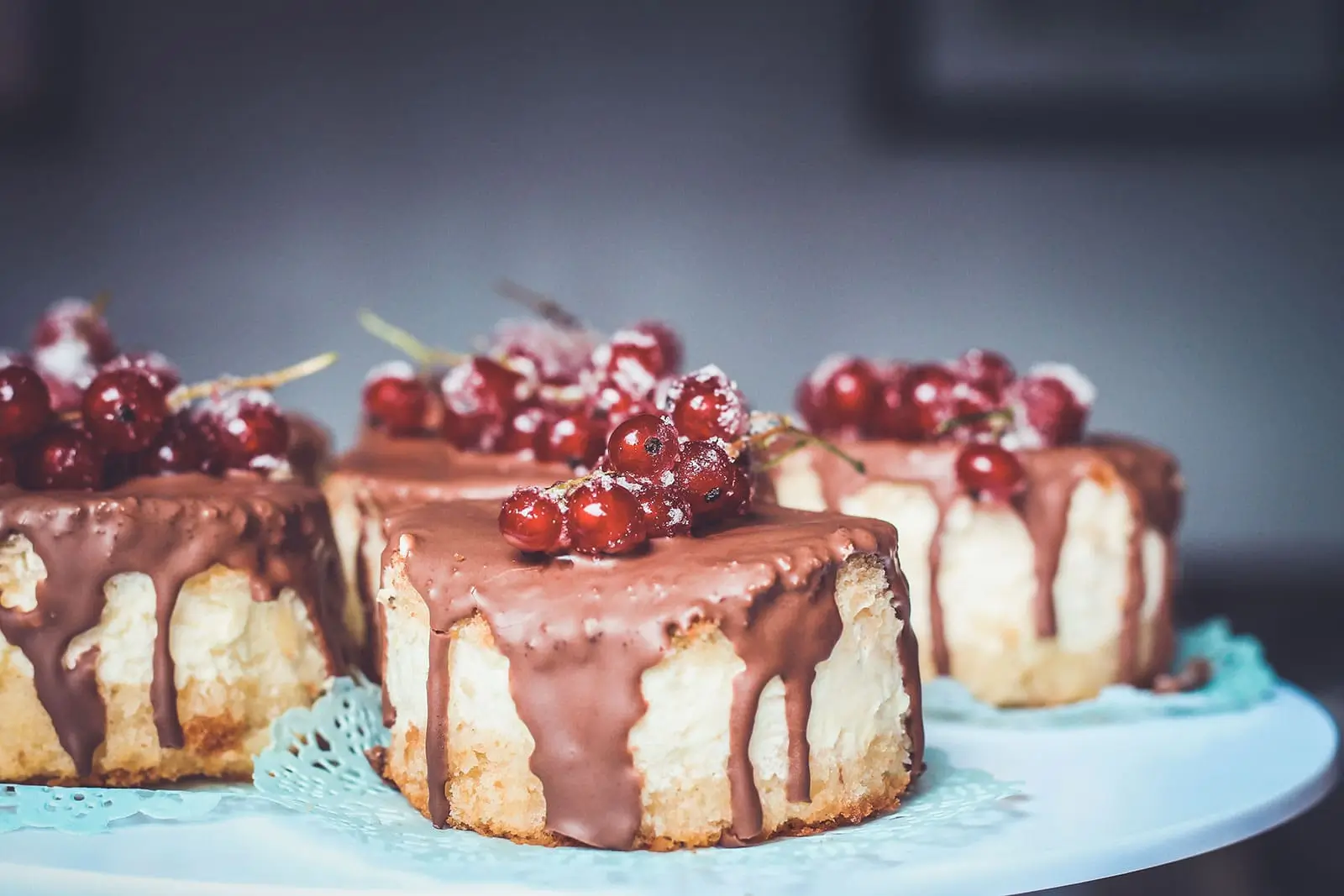
Overview: Cake Decoration Ideas and Creative Inspiration
Cake decoration ideas empower you to tailor desserts to any occasion, from birthdays to weddings, with creative cake designs that reflect personal taste. Color, texture, and theme guide the overall presentation, while techniques such as fondant cake decorations, buttercream cake ideas, and edible cake toppers add depth. DIY cake decorating becomes more accessible as you learn cake decorating tools, practice simple piping, and experiment with color palettes and textures. In a trend-driven market, staying inspired means tracking cake decoration trends, experimenting with whimsical embellishments, and building a library of unique cake presentation ideas. This overview introduces practical ideas you can adapt for celebrations, corporate events, and intimate gatherings.
Why decoration matters: occasions, aesthetics, and trends
Decoration matters because it communicates the occasion before a single bite, shaping expectations about formality, joy, and celebration. A well-decorated cake sets the tone for birthdays, weddings, graduations, or corporate milestones, guiding guests’ first impressions and photographers’ framing. Aesthetics influence how people perceive flavor and value; textures, color, and surface treatment can make a simple slice feel special. Trends in cake decoration influence what counts as stylish, from geometric fondant panels and lace-inspired fondant decorations to organic buttercream textures and minimalist sugar work. The craft of cake decorating techniques now spans a spectrum from hand-painted accents to bold edible toppers; the goal is to tell a story through color, texture, and shape. When planning, consider whether the aim is whimsy or elegance, and tailor decorations to the space, lighting, and serving style. Fondant cake decorations excel at creating crisp shapes and clean lines, allowing for themed storytelling and precise geometry, while buttercream cake ideas offer warmth, texture, and a forgiving surface for personal touches. Edible cake toppers—ranging from printed sugar sheets to hand-painted figurines—can carry messages or brand marks without clutter on the main surface. DIY cake decorating remains accessible with basic tools, templates, and practice, yet more elaborate projects benefit from the right set of cake decorating tools, a stable workspace, and ample drying time. The modern toolkit also includes impression mats, piping tips, and silicone molds to expand creative options. Theme cake inspiration benefits from a cohesive color palette and a clear narrative, whether a wedding is styled with modern monochrome or a playful, nostalgic vibe. Unique cake presentation extends beyond the cake itself to the platter, backdrop, and coordinated florals, creating a story that photographs well and lingers in memory. In short, mastering a few versatile techniques and materials can unlock countless ways to celebrate with confidence and style, ensuring your cake becomes a memorable centerpiece.
Popular styles and themes (classic, modern, rustic, minimal)
Two sentences before the list: Choosing a style begins with the occasion and venue, but it also sets expectations for texture, color, and drama on the dessert table, guiding choices from the shape of the cake to the finish on each sugar petal. By exploring popular styles, bakers can map mood boards to edible details, ensuring every element from icing to toppers reinforces the story you want to tell, while staying practical for deadlines and budget.
- Classic vintage floral with delicate piping and soft pastel tones evokes timeless romance, pairing lace textures with subtle gold accents for weddings and milestone birthdays.
- Modern geometric designs emphasize clean lines, bold color blocks, and architectural balance, ideal for contemporary celebrations, corporate events, and fashion-forward cake presentations.
- Rustic country chic uses textured frostings, woodland textures, and natural elements like berries and edible leaves to create warmth and approachable charm.
- Minimalist style relies on negative space, restrained color palettes, and precise finishes to convey elegance and sophistication without overwhelming the cake surface.
- Whimsical pastel garden themes layer playful characters, seasonal motifs, and light textures with delicate sugar work, delivering a charming, story-telling centerpiece.
- Elegant modern rustic hybrids blend polished finishes with natural accents, offering versatile options for weddings, birthdays, and communal dessert tables.
Final note: Mix and match within one theme for variety, and balance bold accents with quiet spaces so the cake remains a focal point while coordinating with flowers, invitations, and table linens. Consider the serving environment, lighting, and cake pedestal height to ensure your chosen style photographs well, travels safely, and leaves guests with a memorable, shareable moment.
Quick inspiration gallery: ideas by occasion
Two quick notes to anchor ideas: Quick inspiration by occasion helps you jump-start planning and keep ideas organized. The table below offers a concise reference you can skim while deciding color schemes, textures, and toppers.
| Occasion | Idea | Color Palette | Materials | Notes |
|---|---|---|---|---|
| Birthday | Confetti buttercream with hand-painted sprinkles | Bright pink, teal, gold | Buttercream, edible glitter, sugar confetti | Fun, party-ready, scalable for flavors |
| Wedding | Elegant fondant panels with lace texture | Ivory, blush, champagne | Fondant, impression mats, pearl accents | Timeless and photographed well |
| Anniversary | Moonlight glaze and stenciled motifs | Midnight blue, silver | Ganache, metallic luster dust | Glamour with simplicity |
| Baby shower | Pastel buttercream blossoms | Soft pinks and blues | Buttercream, wafer paper flowers | Playful and delicate |
| Seasonal/holiday | Winter wonder sugar snowflakes | White, icy blue, silver | Sugar, royal icing, dusting powders | Coordinated with table decor |
Use this as a flexible reference and adapt ideas to your cake size and serving plan. Pair the chosen table concept with complementary toppers or botanical accents to tie the whole presentation together.
Top materials and techniques to know
Two sentences before: Knowledge of materials and techniques helps you choose reliable options that perform under pressure and look polished. Use these practical methods to expand your decorating toolkit and create consistent effects across multiple cake sizes.
- Fondant basics: working with pliable sugar dough, kneading to avoid cracks, rolling to an even thickness, and using smoothers for a flawless finish.
- Buttercream techniques: from Swiss meringue to American style, mastering buttercream texture, piping consistency, and stable frosting that holds structure under warm conditions.
- Sugar crafting: pulling fondant elements into petals, leaves, and bows with veining, shaping, and drying methods for durable edible decorations.
- Gum paste and royal icing: sculpting thin flowers and delicate toppers, using proper hydration and drying times to prevent cracking.
- Color control: using gel colors, airbrushing techniques, and edible dusts to achieve consistent shade, depth, and contrast without bleeding into adjacent details.
Final thoughts: Practice on mock cakes before finalizing, keep tools clean, and document which textures work best for your chosen flavor profile. With the right approach, you can turn simple ingredients into stunning, professional results that delight guests.
Core Features, Benefits, and Use Cases of Our Decorating Toolkit
Explore core features, benefits, and practical use cases of our decorating toolkit, designed to support cake decoration across occasions. The kit combines fondant and buttercream embellishments with precise tools that help you achieve smooth covers, clean edges, and crisp textures. With quality materials and thoughtfully organized accessories, you can work more efficiently while reducing waste and mess. The toolkit is suitable for beginners learning essential techniques as well as pros aiming for consistent, salon-worthy finishes. Whether you’re decorating for birthdays, weddings, or seasonal events, this collection aligns with current cake decorating trends and supports both creative cake designs and personalized presentations.
What’s included in the toolkit
The toolkit is built around a core set of tools that cover the main stages of decorating a cake, from shaping and covering to piping and finishing. You will find specialized implements for fondant work, buttercream techniques, and edible accents, all selected to work together smoothly and reduce the need to hunt for separate items.
For covering and shaping, a rolling pin with adjustable rings, a nonstick rolling mat, fondant smoothers in several sizes, and a gentle ball tool help you achieve even thickness and a seamless surface. Modeling tools and texture mats add subtle patterns, depth, and character to your designs without requiring multiple steps. A compact set of impression sheets and lace molds gives you quick texture that reads as refined rather than fussy.
In the area of relief and details, a versatile set of cutters, modeling knives, veining and leaf tools, and a small set of brushes supports beginners and seasoned decorators alike. A robust piping system with a range of tips, piping bags, and couplers provides control for borders, rosettes, and fine lines. A turntable, offset spatula, and a silicone-tipped spatula help with smooth coverage and precise placement, while edible glue, food-grade markers, and color brushes enable clean edge work and easy labeling of decorations.
The toolkit also considers practical needs such as storage, cleaning, and safety. All tools are made from food-grade materials, designed to resist staining and corrosion, and they are easy to wipe down after use. A dedicated carry-and-store case keeps pieces organized, which accelerates workflow and reduces the chances of losing essential items. Whether you are new to decorating or upgrading a basic set, these components work together to support a wide range of projects, from simple buttercream textures to intricate fondant finishes.
Benefits of using a specialized toolkit
Using a specialized toolkit brings definite advantages that compound as you practice. First, efficiency grows because you can reach for the right tool without halting to search or clean mismatched implements. This reduces the time spent between steps and keeps ideas flowing from concept to finished cake.
Consistency improves as tools are designed for reliable results—fondant smoothing, precise piping, and texture application all follow repeatable processes. A good toolkit also helps you manage textures and color with less risk of smudging or mixing that can ruin a design. Safety and hygiene are easier to maintain when tools are food-grade and easy to clean, minimizing cross contamination and improving cleanup time.
Beyond practicality, the toolkit supports skill development. Repeated use builds muscle memory for delicate cuts, steady piping, and controlled layering. It lowers the barrier to more ambitious designs by providing a structured set of steps and protective storage that reduces tool fatigue and keeps your workspace organized.
Investing in a single, cohesive toolkit also has long term value, because the same set adapts to many project types and skill levels. Durable, easy-to-clean components reduce replacement costs and they stay reliable through repeated use. The selection supports both DIY cake decorating and more advanced projects, ensuring you can experiment with fondant cake decorations, buttercream cake ideas, and edible toppers while staying within a consistent style.
Use cases and step-by-step project examples
These projects illustrate how the toolkit supports a range of design goals, from quick fixes to multi-tier creations. Each approach uses core toolkit elements to deliver a polished result while keeping the workflow practical for home bakers and aspiring professionals alike.
Step-by-step project examples show how to translate technique into finished pieces. The birthday quick project demonstrates speed without sacrificing finish, while the wedding centerpiece emphasizes stability and cohesion across tiers, and the seasonal mini cake highlights adaptable decorations that capture a theme with minimal effort.
Birthday cake quick project (single-tier, fast finish)
Plan a simple design for an 8-inch round cake. Start with a light crumb coat of buttercream and chill briefly to set. Roll fondant to a diameter slightly larger than the cake, then trim to fit. Smooth the fondant with a fondant smoother, using the texture mat for a quick pattern if desired. Add a clean border with a star tip and piping bag, and place a few edible toppers or a hand drawn message using an edible marker for a crisp finish. This workflow emphasizes speed while delivering a polished, cohesive look that works well for last-minute celebrations.
Wedding cake centerpiece project (multi-tier planning)
Draft a tier plan that prioritizes stability. Bake and fill each tier, then apply a crumb coat and chill. Cover each tier with fondant to create a unified surface, choosing a color palette that matches the wedding. Use decorator textures such as lace or botanical patterns on each tier for cohesion. Stack the tiers with dowels and separator plates, ensuring level alignment. Finish with edible sugar flowers or hand painted accents that echo across levels. This approach showcases how a reliable toolkit supports complex designs while maintaining a refined, professional finish.
Holiday-themed mini cake (seasonal decorations)
Bake several mini cakes and level the tops. Stack with a thin buttercream layer and apply a vibrant fondant finish or color-block design that reflects the season. Keep decorations simple but impactful with edible leaves, snowflakes, or candy accents. Use a small brush or stencil for a subtle Royal Icing pattern. Finish with a seasonal topper or edible banner to complete the theme. This project demonstrates how the toolkit enables festive styling on a smaller scale with quick, repeatable steps.
Maintenance, storage, and safety tips
Maintenance and cleaning are essential to preserve tool performance and food safety. Rinse tools promptly after use to remove icing and fondant residue, then wash with warm, mild soap and a soft brush or sponge. Dry thoroughly before returning to storage to prevent rust and corrosion. Inspect cutting edges and piping tips for wear and replace as needed to maintain clean lines on your work.
Storage should keep everything organized and accessible. Use a dedicated case or drawer with labeled compartments so items are easy to locate during a project. Keep sharp tools in protective sleeves or clip-on covers to avoid accidents, especially in shared workspaces. Separate edible items from non-edible components when appropriate and keep royal icing colors sealed to prevent staining other tools.
Safety considerations include maintaining clean, dry surfaces and using food-grade materials. Never use damaged tools on cake surfaces, and avoid direct contact between jewelry-like metal pieces and edible surfaces if there is a risk of metal leaching. When using electric or airbrush equipment, follow the manufacturer instructions and unplug after use. Also implement a simple maintenance routine: wipe down, dry, and reassemble before the next session, and run a quick check for wear and tear to prevent failures mid-project.
Disposal and material management matter for both safety and the environment. Dispose of small wrappers, parchment scraps, and single-use bags in a dedicated waste bin to avoid mix-ups with tools. Reuse and recycle where possible, especially with silicone mats and reusable piping bags. Regularly sanitize work surfaces before and after decorating sessions to minimize bacterial growth and maintain product quality.
Finally, consider tool lifecycle and replacement schedules. Even high-quality tools wear with use; keep a log of replacements for dull blades or bent tips and rotate equipment to extend overall performance. With proper care, your decorating toolkit remains reliable for many projects and seasons, supporting consistent results and a professional finish across birthdays, weddings, and festive events.
Specifications, Materials, and Included Tools
Decorating a cake effectively starts with the right specifications, materials, and a well-planned tool kit. This section breaks down the essential components that influence texture, finish, and overall presentation. You’ll find guidance on tool-by-tool specs, material properties for fondant, buttercream, and ganache, plus tips for choosing durable, tasty options. We also compare included tools versus upgrade options so you can tailor a kit to your projects and budget. By stocking the right setup, you’ll be ready to execute creative ideas for birthdays, weddings, and celebrations with confidence.
Tool-by-tool specifications
A well-curated toolkit helps you translate ideas into consistent results across projects. Below is a practical reference table that outlines each tool’s core material, typical size, key specifications, and the best uses in cake decorating.
| Tool | Material | Size/Capacity | Key specs | Recommended uses |
|---|---|---|---|---|
| Fondant smoother | Stainless steel head with polymer handle | Approx. 4.5 in smoothing area; overall 7–8 in | Non-slip grip; rounded smoothing edge; durable | Smoothing rolled fondant on sides and top; eliminating fingerprints |
| Rolling pin | Wood (walnut) or BPA-free polymer | 12–16 in length | Smooth surface; comfortable handles; optional adjustable rings | Rolling out fondant or gum paste to uniform thickness |
| Piping bags and tips | Nylon and stainless steel; reusable and disposable options | 11–12 in bags; tip range #1–#12 | Flexible bags; stainless steel tips; couplers; color-coded | Borders, rosettes, lettering, and precise lines |
| Spatulas | Stainless steel blades with silicone or wood handles | 6–9 in blade; offset variant available | Hardened edge; offset design reduces hand fatigue | Filling and frosting, smoothing buttercream, transferring fillings |
| Cake turntable | Acrylic or aluminum | 11–12 in diameter; height around 2–3 in | 360° rotation; smooth bearing; non-slip base | Decorating around the cake without repositioning |
Keep this reference handy when shopping or planning a project; it will help you select tools that deliver reliable performance and clean finishes.
Materials: fondant, buttercream, ganache, and alternatives
Fondant, buttercream, and ganache are the three core mediums for cake decoration. Fondant provides a smooth, sculptable surface that’s ideal for creating clean edges, precise shapes, and a polished finish on wedding or celebration cakes. There are various versions to choose from, including ready-to-roll fondants, gum paste blends for stiffer details, and modeling chocolate as a flexible alternative. Each type has its own handling characteristics and drying times, so selecting the right one for your project matters. Use fondant when you need a flawless, restaurant-quality exterior or when crafting intricate toppers that stand away from the cake.
Buttercream offers texture, flavor, and versatility. American buttercream is typically rich and stable at room temperature, while Swiss and Italian varieties deliver a lighter, silkier mouthfeel and a smoother finish when chilled. The key is to balance sweetness with the overall flavor profile of the cake and to consider humidity and temperature, as buttercream can soften in heat or crust differently based on the recipe. Buttercream is ideal for creating petal textures, rosettes, and classic borders that read well from across the room.
Ganache brings a glossy finish and a luxurious mouthfeel, with the option to pour, drip, or whip for different textures. Dark chocolate ganache contrasts beautifully with light bases, while white or milk ganache can complement pastel palettes or metallic accents. Ganache is fairly forgiving in terms of moisture control but can be sensitive to heat; chilling helps set, while over-warming can cause softening. There are also ganache alternatives, such as royal icing for sharp details or modeling chocolate for structural work, which can extend the range of finishes you can achieve on a cake.
When planning material choices, consider finish durability, storage needs, and the flavor pairing with fillings and cake layers. Marzipan and sugar sheets can offer flat surfaces with minimal moisture exposure, while edible paints, luster dusts, and airbrushing enable bright color and depth without additional frosting layers. Always test a small sample to ensure compatibility with your cake and to avoid water staining or cracking on the surface.
How to choose materials for durability and taste
Durability and taste should guide every material choice. If a cake will travel, set and display for several hours, you’ll want fondant that tolerates handling or buttercream with a sturdy crust and good structure. Consider the environment when planning color, finish, and moisture exposure, and choose formulations that can survive transport without cracking or sweating.
Flavor compatibility matters as well. For a multi-layer cake, ensure that fondant coverings or sugar decorations don’t overwhelm the palate; select frostings and fillings that balance sweetness and texture. If you crave a crisp, vibrant finish, you might pair a fondant exterior with a light buttercream interior that supports the surface without adding excessive sweetness. Testing a small sample of your planned combination is always worth the effort.
Also consider colorfastness and drying times. Some edible paints and luster dusts can alter the look as they dry, so plan ahead for the final reveal. For projects that require strong edge definition or modeling details, modeling chocolate or gum paste blends can offer superior sculpting stability compared with plain fondant. Finally, always account for storage: fondant-coated cakes must remain sealed from humidity, while buttercream and ganache finishes benefit from clean, cool conditions to maintain shine and texture.
Included tools vs optional upgrades
Most beginner to intermediate cake decorators can start with a basic tool kit that covers essential decorating tasks. A sturdy spatula set, a few piping bags and tips, a rolling pin, a fondant smoother, and a turning cake board will handle most standard projects. These items provide reliable performance at a reasonable price and are easy to replace or upgrade later.
Optional upgrades can expand your capabilities. An adjustable or motorized turntable, an airbrush tool, a set of specialized rolling pins, or silicone molds enable effects such as marbled finishes, airbrushed gradients, or precise sugar flowers. Sugar craft tools like ball tools, veiners, and bevelers help sculpt petals and leaves with more realism. Consider your typical project scope, storage space, and budget when deciding which upgrades to invest in first.
To optimize value, look for multi-use tools or kits that include several tip sizes and interchangeable parts, and seek high-quality materials that resist wear. Balancing cost with quality will ensure your baseline kit remains reliable as you experiment with increasingly complex designs.
Offers, Bundles, Pricing, and How We Compare
At Cakeadelic, we make cake decoration planning straightforward with clear offers, bundles, and pricing that suit every creative level. Our bundles are designed to save time while boosting results, whether you are decorating a birthday cake or a wedding cake. We compare value across tiers so you can choose the option that matches your project scope and budget. All bundles come with practical add-ons, tutorials, and durable tools to support your decorating journey. Read on to see how we stack up against the competition and why our pricing delivers consistent value.
Available bundles and what they include
Explore our bundles to match your decorating goals, whether you are designing a quick birthday treat or orchestrating an elaborate wedding cake, and see how each option scales with your skills. Each bundle is designed to grow with you, starting with the Starter Bundle that emphasizes fundamentals and reliability for beginners: a concise decorating tool set, a small fondant color pack, a practical buttercream recipe, edible dust for subtle accents, and an illustrated guide that walks you through simple techniques with clear, repeatable steps, so you can gain confidence with minimal waste. The Creative Design Bundle expands your toolkit and your ideas, offering two additional fondant colors, metallic accents to elevate glow and shine, impression mats for texture, textured rollers for depth, a stencil sheet for precise patterns, and a curated set of design templates that translate into modern, marketplace-ready cake designs that you can customize for birthdays, parties, or themes. The Wedding Luxe Bundle brings premium materials and finishing touches for more ambitious projects: larger fondant quantities, delicate edible lace options, access to a custom toppers design service to reflect a couple’s story, an airbrush color kit for smooth gradients, and durable storage that keeps tools organized and ready for next use. The DIY Pro Kit and Party Theme Bundle round out the collection with advanced piping tips, multiple couplers, color gels, practice surfaces, a premium decorating guide, and access to exclusive tutorials that cover professional techniques like fine piping, lace textures, and precise fondant trimming. Together these bundles provide a cohesive path from entry to advanced projects, helping you cover fondant cake decorations, buttercream finishes, and edible toppers in a way that supports creativity, efficiency, and consistent quality. All bundles include practical tips and durable tools to help you achieve professional-looking results at home.
Pricing tiers and value comparison
We designed our pricing to reflect the level of support, resources, and customization you get at each stage of your decorating journey. When you choose a Starter tier, you access essential tools and practical guidance to begin experimenting with fondant cake decorations and buttercream techniques without a large upfront investment. This entry point is ideal for hobby bakers, parents planning birthday treats, or event planners testing ideas before committing to bigger projects. The Starter tier typically includes a curated tool set, a small fondant color pack in core colors, a basic buttercream recipe, and a short decorating guide that demonstrates core techniques. Next, the Growth tier adds depth to your toolkit and learning path. You receive additional decorating tools, an extended color palette, fresh fondant colors, and enhanced tutorials that walk you through a range of creative cake designs, from simple florals to modern geometric patterns. The Growth tier is designed for home bakers who want to expand their repertoire, as well as small cafes that need reliable, repeatable results without reinventing the wheel. The value here lies in the combination of higher-quality tools, more color options, and ongoing access to step-by-step ideas that translate into repeatable outcomes. For those pursuing professional results or frequent event decorating, our Pro tier delivers a higher-touch experience. Expect premium tool sets, larger fondant and icing supplies, access to exclusive expert tutorials, and faster customer support. Pro customers often receive curated technique videos on advanced cake finishing, such as airbrushed color gradients or delicate fondant textures, along with practical tips that shorten project timelines. The incremental cost is balanced by time savings, reduced waste, and the assurance that you can consistently achieve the outcomes your clients expect. At the top end, Elite bundles the most comprehensive resources: premium materials, routine updates with new designs, one-on-one design consultations for toppers or theme concepts, and extended warranty coverage on sharp tools and specialty equipment. This tier is aimed at professionals, large event teams, or enthusiasts who want to push creative boundaries with regular, dependable results. Across all tiers, you’ll find value in the alignment between your skill level, your project scale, and the level of support you receive. We recommend comparing the features against your typical workflows: fondant cake decorations, piping precision, buttercream finish, and edible toppers. Remember that the best value is not always the lowest price—it’s the right balance of quality, guidance, and reliability for your needs.
How our bundles compare with competitors
When you compare our bundles with typical offerings from other retailers, several differentiators stand out. First, our bundles combine quality tools with training resources in one purchase, rather than offering just equipment or just content. This means you get immediate hands-on capability plus a learning path that grows with you, including pattern templates and project ideas that scale from beginner to advanced level. Second, we price transparently with no hidden fees; shipping is included above a threshold, and you can see exactly which items are in each tier. Third, our design approach emphasizes practical usability: colors and tools chosen for real-world cake decorating, from fondant decorations to buttercream ideas, reflect current trends in color palettes and technique. Fourth, we provide ongoing updates to tutorials and design ideas, ensuring that as techniques evolve, you can upgrade your skills without buying an entirely new kit. Fifth, customer support and community access add value beyond the physical contents; you can ask questions, share results, and receive feedback from our team and peers to improve your technique. We also publish objective comparison guides and user stories to help you decide. We differentiate on sustainability and storage: durable, reusable tools in each bundle avoid single-use waste where possible, and our packaging minimizes environmental impact. The result is a thoughtful, scalable solution for individuals and businesses who want reliable results and creative inspiration without paying premium consultancy fees. In short, our bundles are designed to be comprehensive, practical, and forward-looking, helping you translate Cake decorating techniques into consistent outcomes across a wide range of applications—from birthday cupcakes to theme cake designs and elegant wedding cakes. Some customers report saving hours per project thanks to ready-to-use templates and cohesive color palettes.
Promotions, warranty, and return policy
Promotions: We run seasonal promotions across all bundles, including discount bundles, limited-time price cuts, and loyalty program perks. To stay informed, subscribe to our newsletter or check our promotions page; codes may apply at checkout. Our aim is to make it easier to access high-quality cake decorating resources without overpaying. Warranty: All tools and equipment included in our bundles carry a 12-month warranty against manufacturing defects. If a product fails under normal use, we will replace or repair it at no cost, subject to terms and proof of purchase. This warranty covers blades, shapers, piping tips, moulds, and other reusable components. Return policy: We offer a 30-day return window on unopened or unused items in their original packaging. Returns are processed quickly and refunds are issued to the original payment method. For opened items, eligibility may be considered on a case-by-case basis, especially if packaging remains intact and items are unused. To initiate a return, contact our support team for a return authorization, shipping instructions, and confirmation of eligibility. Shipping fees for returns are typically covered when the return is due to a fault or error on our side; otherwise customers may be responsible for return shipping. We also provide exchanges for color matches or minor item shortages within 14 days of delivery, with no additional charge. For more detail on terms and eligibility, visit our terms and promotions page or reach out to support.